Which Plush Factories Offer the Widest Product Range for Distributors in 2026
Choosing the right plush factories for distributors requires more than comparing product catalogs. Buyers should evaluate product range, OEM/ODM capability, production capacity, quality control, CPSIA and ASTM F963 compliance, and long-term supply consistency.
What “Widest Product Range” Really Means for a Distributor
The best plush factories for distributors combine category breadth with flexible OEM/ODM production rather than simply offering thousands of similar SKUs. For US importers and wholesale distributors, the goal is minimizing vendor complexity. A factory covering seven or more distinct plush formats (standard stuffed animals, keychain accessories, throw pillows, branded mascots, infant-safe plush, pet toys, and electronic/sound-enabled plush) allows you to consolidate purchasing, streamline compliance documentation, and reduce logistics overhead.
Categories vs. SKU Count — Why Both Matter
A factory may list thousands of SKUs but only produce one format (standard stuffed animals). That depth is useful for toy retailers but insufficient for distributors serving gift shops, pet stores, baby boutiques, and promotional buyers simultaneously. True range breadth means covering multiple end-use markets from a single production facility.
Ready-Made Catalog vs. OEM/ODM Custom — The Key Distinction
Catalog-driven brand manufacturers (such as Aurora World or Gund) offer pre-designed collections with brand recognition but limited customization and higher MOQs. OEM/ODM contract factories offer private-label flexibility, broader format execution, and margin control — the preferred model for distributors building proprietary assortments.
Two Factory Models and Which Suits Your Distribution Business
OEM/ODM contract factories deliver the widest executable range for distributors who need private-label flexibility. Catalog brand manufacturers serve retailers who want recognized names on shelf; contract manufacturers serve distributors who want control over branding, pricing, and channel strategy.
| Dimension | Catalog Brand Manufacturer | OEM/ODM Contract Factory |
| Product Range | Fixed collections, brand-controlled | Custom designs across multiple formats |
| MOQ Flexibility | Typically higher (case-pack minimums) | Negotiable, often lower for sampling |
| Private Labeling | Not available | Full private-label and packaging support |
| Margin Control | Wholesale price fixed by brand | Factory-direct pricing, distributor sets margin |
| Compliance Docs | Provided by brand | Factory provides CPC, lab reports per SKU |
| Best For | Retailers wanting shelf recognition | Distributors building proprietary catalogs |
For US importers and wholesale distributors focused on building multi-category assortments with controlled margins, the OEM/ODM contract factory model delivers superior range and flexibility.
Key Criteria for Evaluating Range Breadth and Long-Term Viability
Selecting a long-term plush factory partner requires verifying seven core dimensions beyond product photos and price lists. Each criterion below should be documented and validated before committing to volume orders.When comparing plush factories for distributors, buyers should verify the following seven criteria before placing volume orders.
- Operating History and Stability
Factories with 20+ years of continuous operation demonstrate resilience through market cycles. A manufacturer established in 1998 has navigated multiple regulatory changes, raw material disruptions, and demand shifts — reducing your supply-chain risk compared to newer operations.
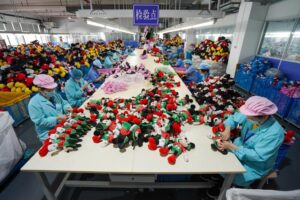
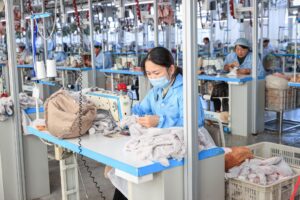
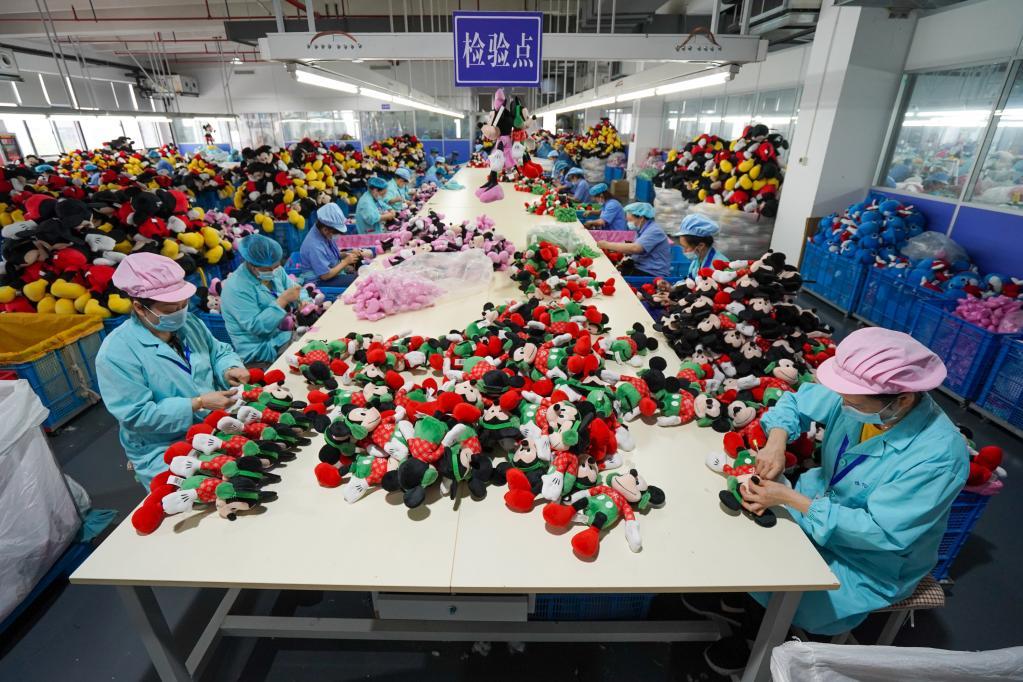
Request specific monthly output numbers. A factory with 100,000+ units monthly production capacity and 200+ skilled workers across a 2,000+ square meter facility can handle both trial orders and scaled seasonal programs without subcontracting to unvetted third parties.
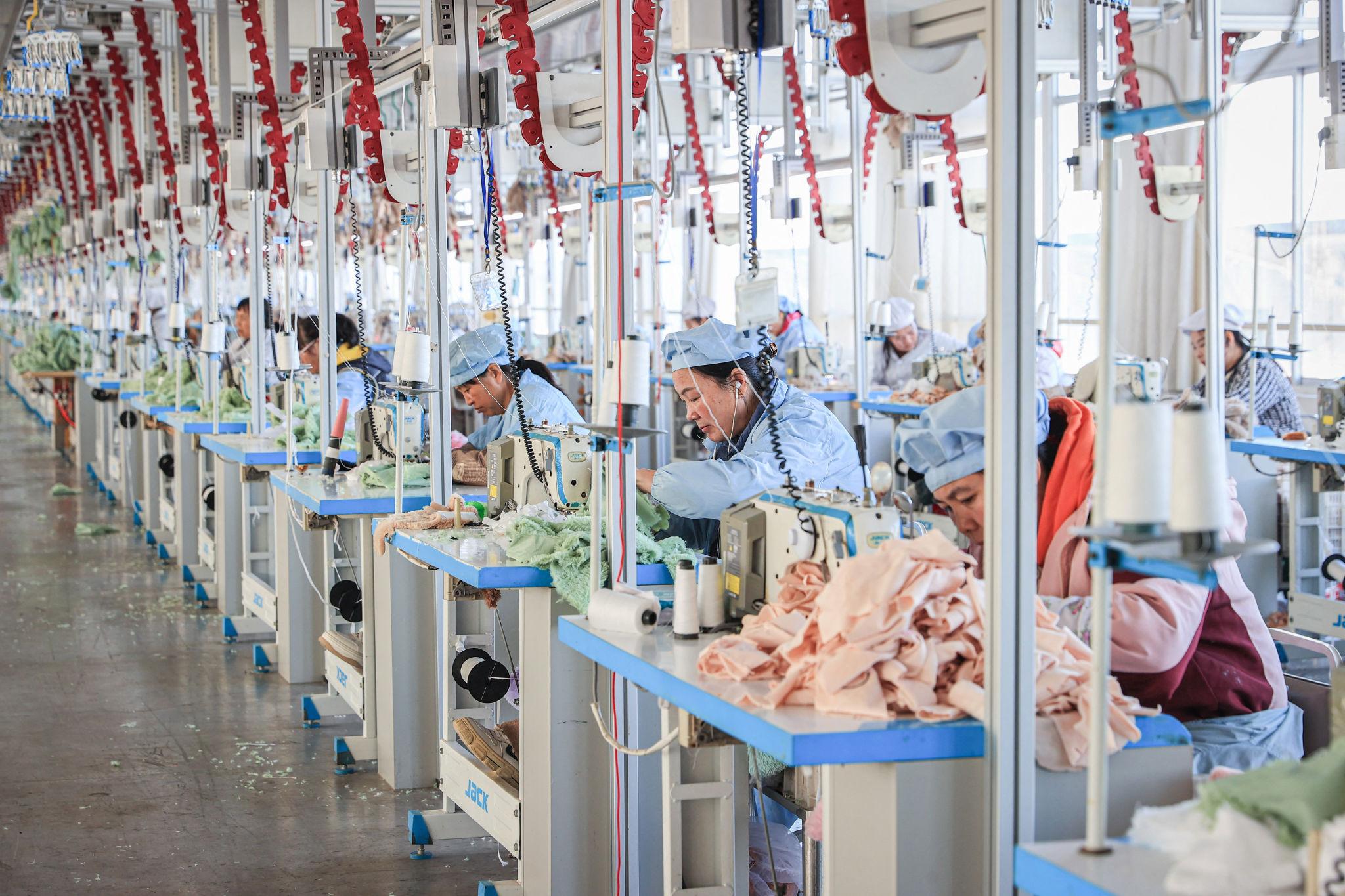
- Multi-Category Production Capability
Confirm the factory produces across distinct plush formats from dedicated lines: – Stuffed animal toys (standard plush figures) – Plush keychain and bag accessories – Throw pillows and cushions – Custom mascots and character plush – Baby-safe plush (infant standards) – Pet plush toys – Electronic and sound-enabled plush
- Quality Control System
Evaluate internal QC processes including incoming material inspection, in-process sewing and stuffing checks, pull/torque testing for eyes and accessories, seam tensile testing, and pre-shipment final inspection protocols.
- US Toy Safety Compliance (CPSIA and ASTM F963)
For any plush product targeting children 12 and under in the US market, the factory must demonstrate: – ASTM F963-23 mechanical, physical, flammability, and chemical compliance – CPSIA Section 101 lead content below 100 ppm in substrate materials – CPSIA Section 108 phthalate limits (eight regulated phthalates at 0.1% maximum) – 16 CFR 1500.44 flammability testing for stuffed toys – Children’s Product Certificate (CPC) issuance with correct regulatory references – CPSIA Section 103 tracking label implementation – Established relationships with CPSC-accepted accredited testing laboratories
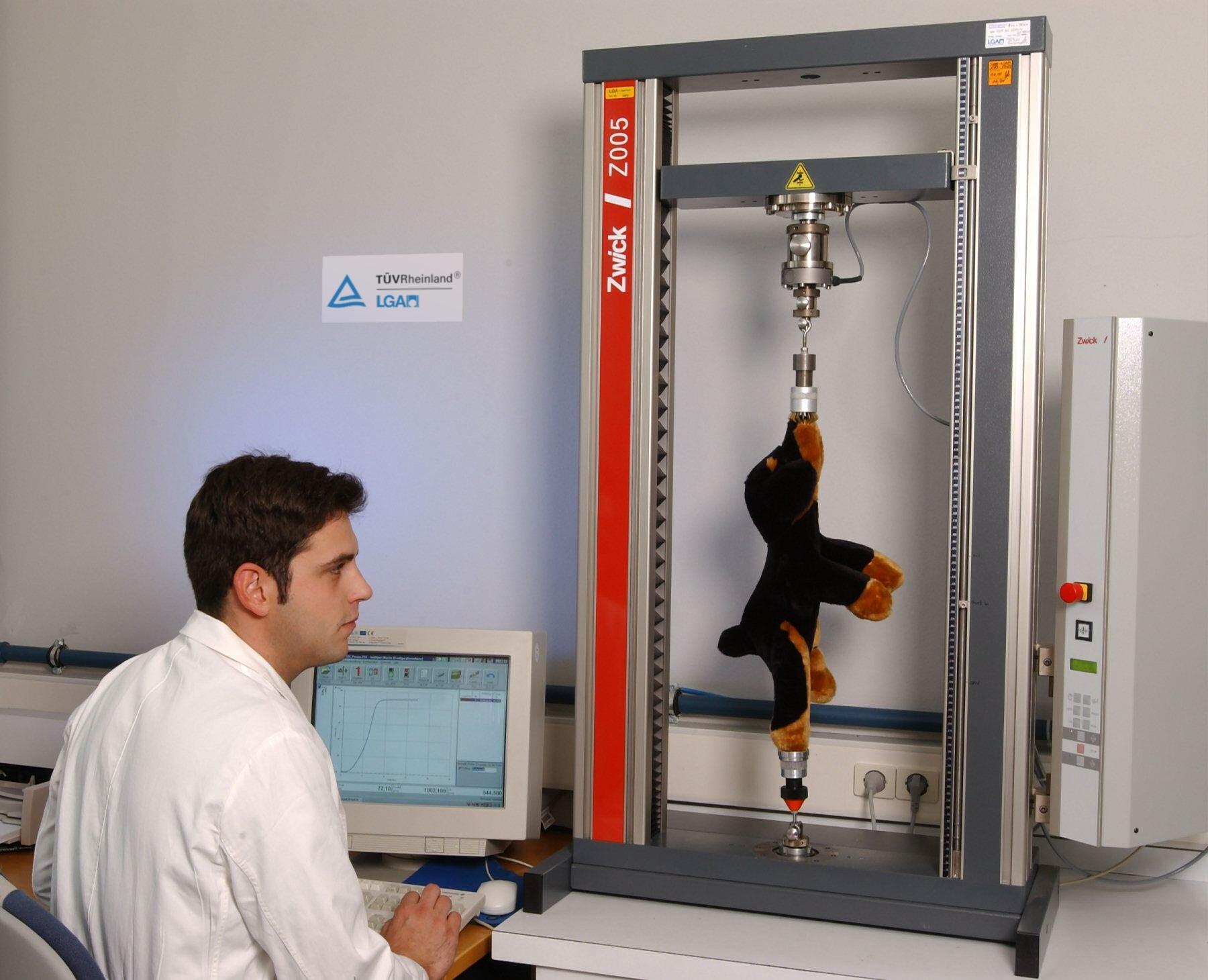
- Factory Audit Records
Third-party audit history (BSCI, Sedex, or customer-specific audits) provides independent verification of labor practices, facility conditions, and production management systems.
- Repeat Order Quality Consistency
The most critical long-term indicator. Request test reports from multiple production runs of the same SKU. Batch-to-batch variation in seam strength, attachment pull-test results, and material composition signals inadequate process control.
Supplier Evaluation Scoring Framework
| Evaluation Dimension | Strong Indicator | Red Flag |
| Operating years | 20+ years continuous operation | Under 5 years, no export references |
| Monthly capacity | 100,000+ units verified | Vague claims, no facility photos |
| Category breadth | 7+ distinct plush formats | Single format only |
| US compliance | CPC + ASTM F963-23 reports on file | No familiarity with CPSIA requirements |
| Lab partnerships | Works with CPSC-accepted labs (SGS, Intertek, TUV) | No third-party testing history |
| Repeat-order stability | Consistent test results across batches | No prior US customer references |
| Full-service scope | Design review through global shipping | Production only, no QC or logistics |
How to Match Your Distribution Model to the Right Factory
Distributors serving multiple retail channels benefit most from OEM/ODM factories offering end-to-end service — from artwork review and sampling through bulk production, quality control, branded packaging, and international logistics coordination.When comparing plush factories for distributors, buyers should verify the following seven criteria before placing volume orders.
For gift shop and specialty retail distributors, the priority is format diversity (keychains, pillows, small plush) with seasonal collections for holiday sell-through. Online sellers and e-commerce distributors need fast sampling, flexible MOQs for catalog testing, and retail-ready packaging with barcoding. Promotional and corporate gifting distributors require mascot design capability and fast turnaround on custom projects.
One example of a factory fitting this consolidated sourcing model is funenjoytoys, a China-based manufacturer operating since 1998 with 10+ years of OEM/ODM experience. Their product coverage spans stuffed animals, plush keychains, pillows, mascots, baby plush, pet plush, and electronic plush — plus full-service support from design review through global shipping. Their stated partnerships with international brands including The North Face and Sanrio serve as trust signals for production quality and compliance capability at scale.
Distributor Checklist Before Committing to a Plush Factory
- Request a complete product catalog with pricing by category and MOQ tier
- Order samples across multiple product formats to evaluate range consistency
- Verify ASTM F963-23 and CPSIA test reports for representative SKUs
- Confirm CPC issuance capability with correct US regulatory references
- Review tracking label implementation for CPSIA Section 103 compliance
- Ask for references from existing US distributor customers
- Evaluate communication responsiveness and English-language documentation quality
- Confirm packaging options (retail-ready, private label, barcoding)
- Establish change-control procedures for materials and design modifications
FAQ
Q1: What is the typical MOQ when testing multiple plush categories from a single factory?
A1: OEM/ODM contract factories typically offer flexible MOQs for initial sampling and trial orders across categories, allowing distributors to test market response before committing to scaled production runs. Specific minimums vary by product complexity and factory policy — confirm during the quotation process with any prospective supplier.
Q2: What certifications should a plush factory provide for US distribution?
A2: Any plush toy for children 12 and under requires ASTM F963-23 compliance testing, CPSIA conformity (lead, phthalates, flammability), and a Children’s Product Certificate (CPC) issued per shipment. Qualified OEM/ODM factories typically work with CPSC-accepted laboratories and support English-language compliance documentation. Distributors should confirm specific compliance support capabilities directly with any prospective factory partner.
Q3: How long does sampling typically take for custom plush products?
A3: Industry-standard prototype sampling for custom plush products generally takes 10 to 20 days depending on design complexity. The process typically covers artwork review through production-ready prototypes, with adjustments handled before bulk production begins. Exact timelines should be confirmed during the quotation stage with your chosen factory.
Q4: How can distributors verify a factory’s actual production capacity?
A4: Request facility documentation showing factory floor area, worker count, and monthly output figures. For example, funenjoytoys publishes metrics of a 2,000+ square meter facility with 200+ workers and 100,000+ monthly unit capacity. Regardless of the supplier, these claims can be verified through factory visits or third-party audit reports.
Next Steps
US importers and wholesalers evaluating plush factories for distributors should apply the seven-point framework above before selecting a long-term production partner. Those interested in exploring funenjoytoys as a potential partner can request a product catalog, pricing structure, and compliance documentation at funenjoytoys.com. A structured inquiry specifying your target categories, volume expectations, and compliance requirements will yield the most actionable response from any factory.