OEM vs ODM plush toys is a key decision for brands, IP owners, wholesalers, and product development teams before starting custom plush manufacturing. The choice affects design ownership, sampling process, cost structure, and production timeline.
OEM and ODM describe different starting points and support needs. In this guide, we explain how FunEnjoy approaches production from buyer designs and projects that still need development. Compare the actual scope, sample approvals and agreement terms before choosing a route.
What Is OEM in Plush Toy Manufacturing?
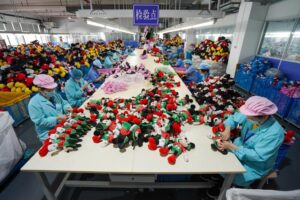
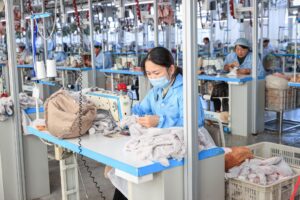
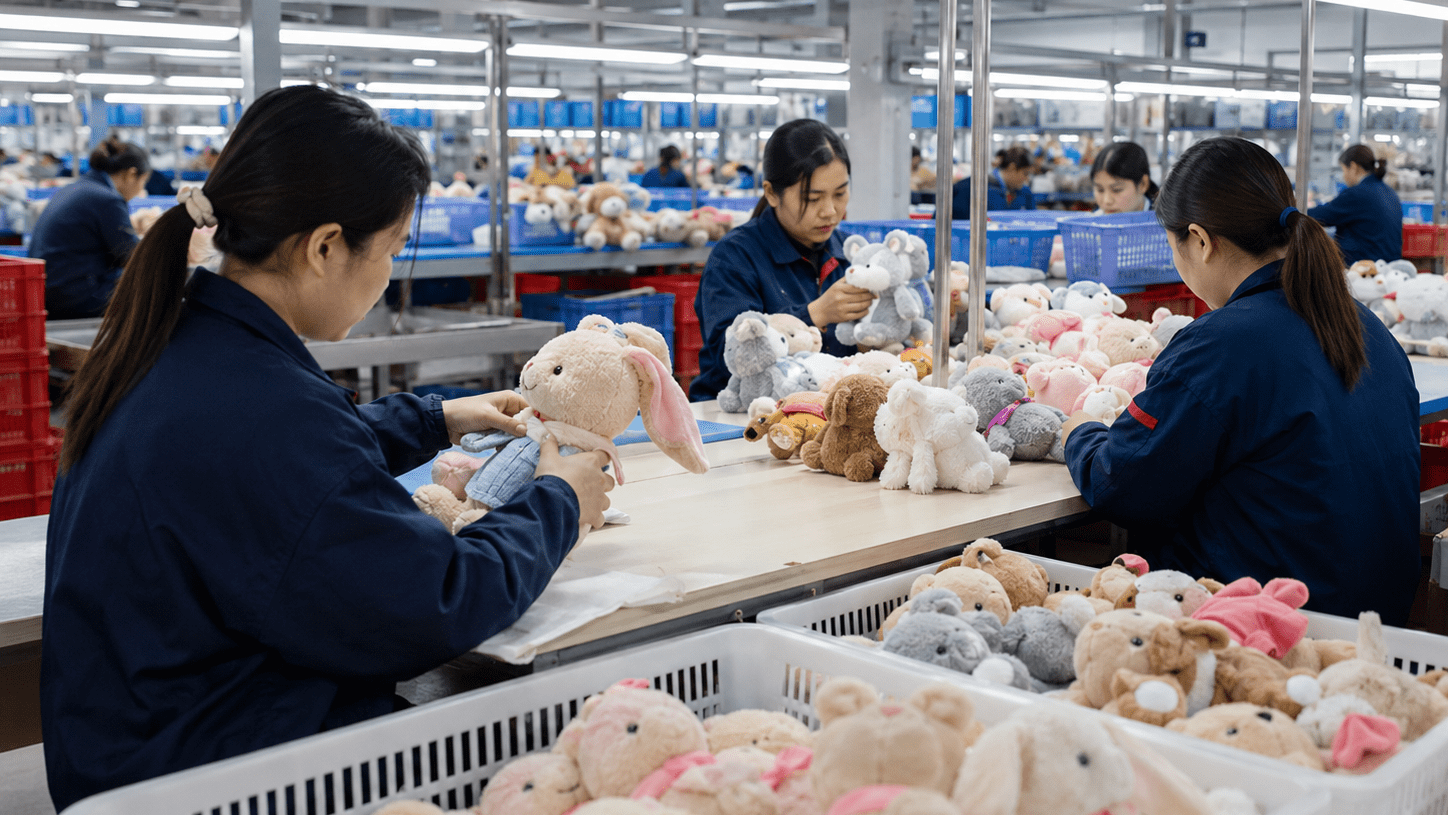
OEM manufacturing usually starts with the buyer’s artwork, reference sample or product specifications. The factory reviews how the design can be manufactured, develops and revises samples, and prepares bulk production after the sample and specifications are approved. OEM can include pattern development, material recommendations and sampling support; it does not mean the factory provides no development input. Explore our OEM plush toy manufacturing service for project-specific production support.
Ownership and permitted use of supplied artwork, newly developed designs, patterns and other project materials should be specified in the written agreement. Confirm any confidentiality, exclusivity and third-party permissions before development or production.
- Buyer artwork, reference sample or product specifications
- Pattern development by factory
- Sampling and revisions
- Material selection (fabric, stuffing, embroidery)
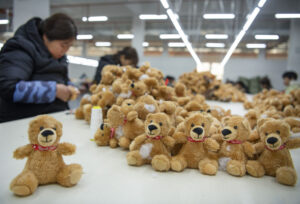
- Bulk production
What Is ODM in Plush Toy Manufacturing?
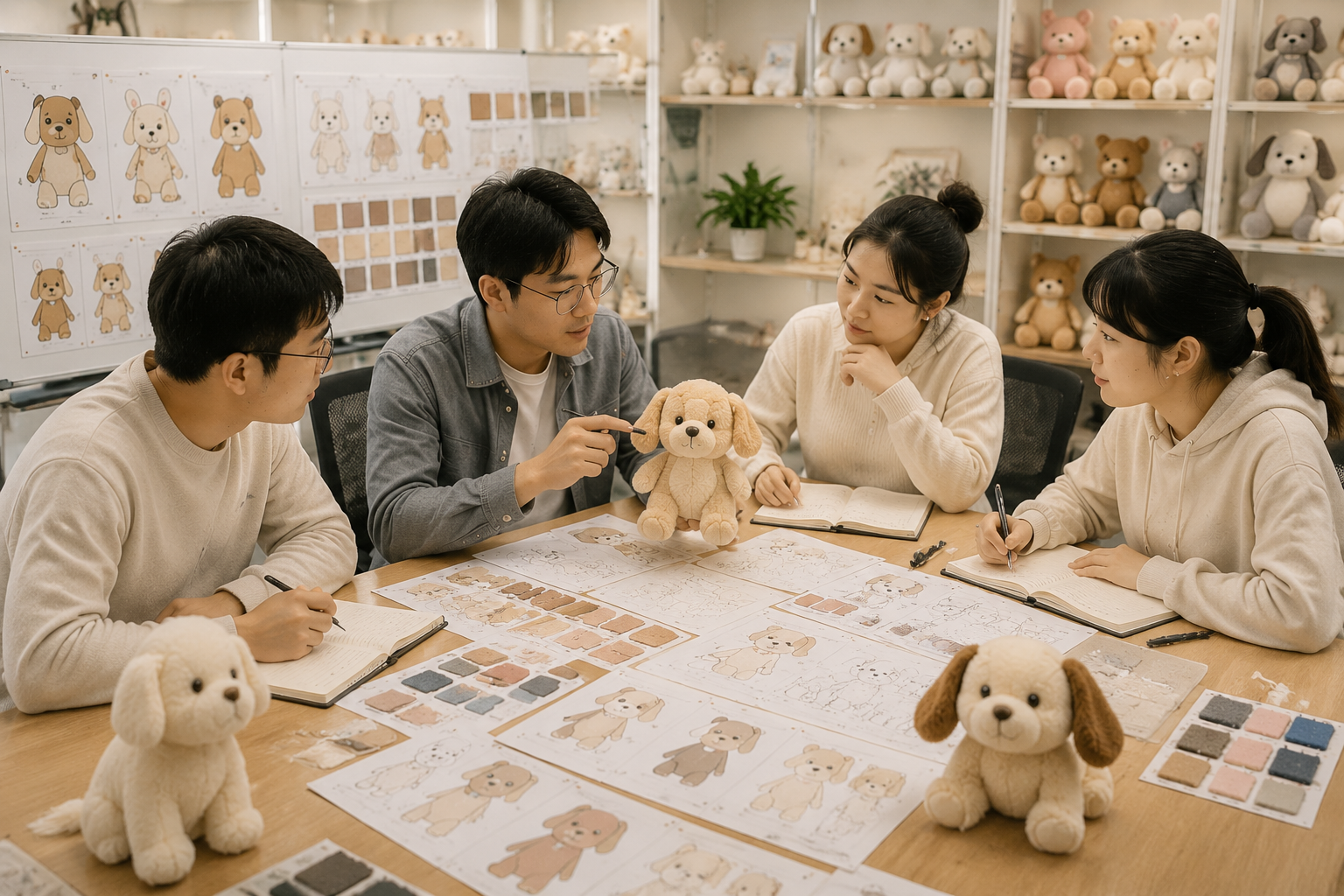
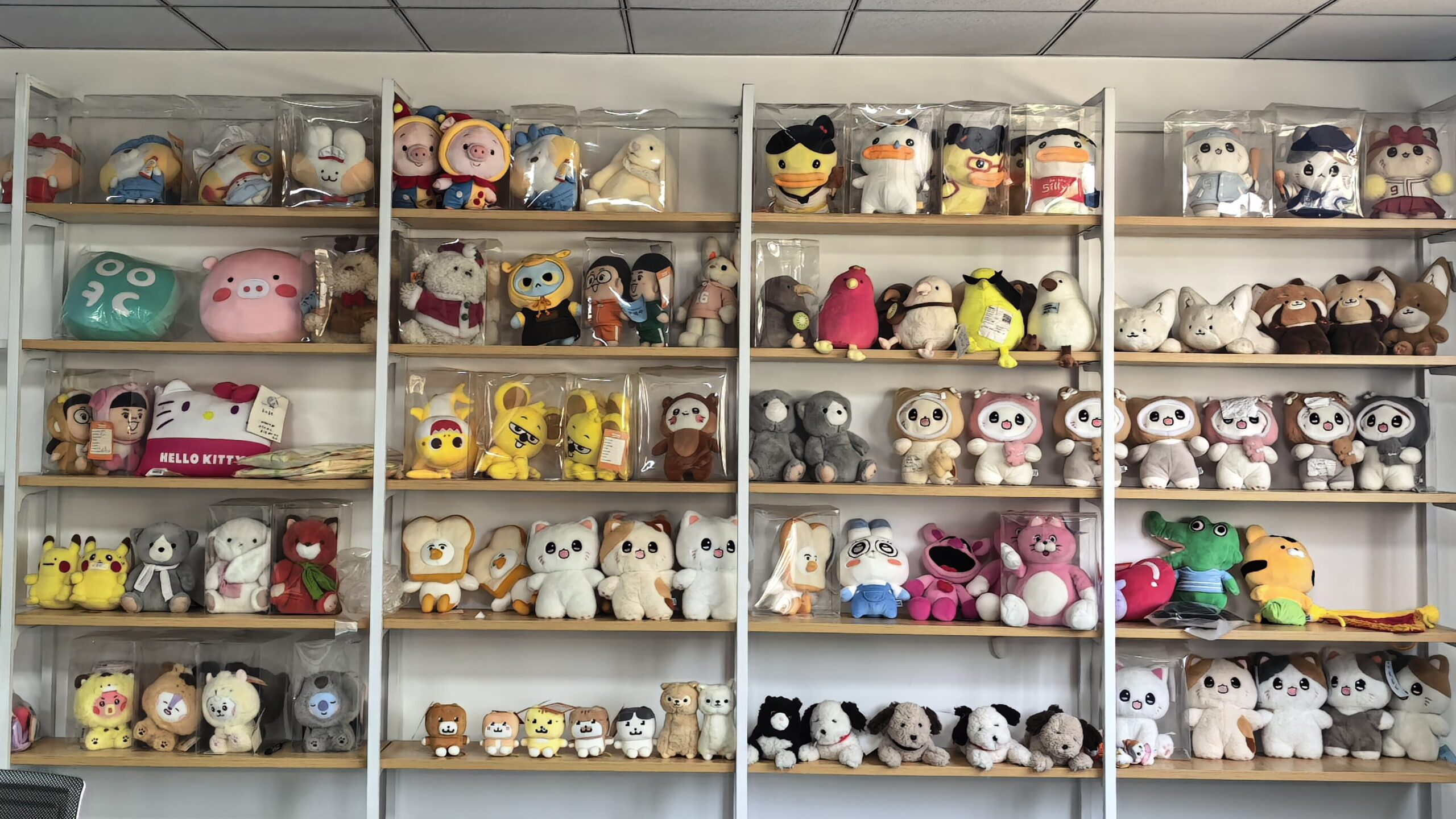
At FunEnjoy, ODM support is for a concept, character brief, sketch or reference that still needs plush product development. The agreed scope can include design refinement, pattern making, material and construction selection, prototype development and revisions. It is not limited to selecting a ready-made catalog item and changing its logo. Review our ODM plush toy development service to discuss the support your project needs.
- Concept and brief review
- Shape and pattern development
- Material and construction decisions
- Prototype review and agreed revisions
- Final sample and specification approval
Development scope depends on the starting brief and required output. Existing structures may help some projects, but they do not remove the need to review samples, testing requirements and production feasibility.
OEM vs ODM Plush Toys: Key Differences
| Factor | OEM Plush Toys | ODM Plush Toys |
|---|---|---|
| Starting point | Buyer artwork, reference sample or production specifications | Concept, character brief, sketch or reference needing development |
| Buyer inputs | Size, design details, materials, quantities, packaging and target market | Intended use, target size, references, required features, quantities and target market |
| Factory support | Manufacturing review, patterns, samples, materials and production preparation | Agreed design refinement, patterns, materials, construction, prototypes and revisions |
| Sample approval | Buyer approves the sample and production specifications | Buyer confirms development decisions, revisions and the final sample/specifications |
| Cost scope | Quote according to design readiness, sampling, materials, testing and quantity | Quote according to development work, sampling, revisions, materials, testing and quantity |
| Rights and agreement | Define ownership, permitted use, confidentiality and exclusivity in writing | Define ownership, permitted use, confidentiality and exclusivity in writing |
Manufacturing Process Considerations
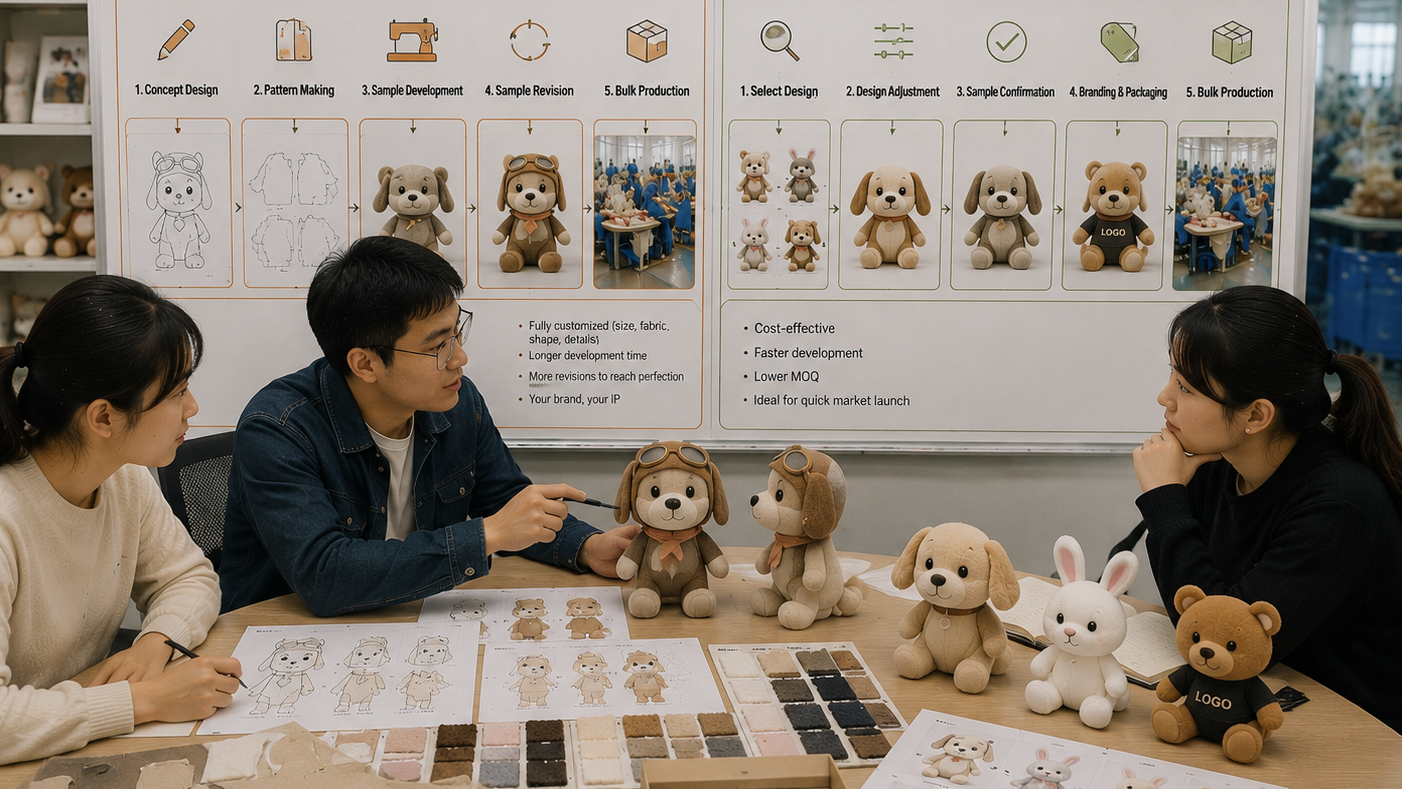
Compare the support required at each stage rather than assuming that the service label determines the workflow.
Both routes can require pattern making, material review, prototype development and sample revisions. The work depends on what is already defined and what remains unresolved. After approval, the confirmed sample and specifications guide bulk production. Compare development fees, sampling charges, revision scope, unit costs and testing requirements separately rather than assuming one label always means a cheaper or faster project. For company-specific quantities and order review requirements, see our custom plush toy MOQ and order requirements.
Buyer Checklist
- What artwork, samples or specifications are already confirmed?
- Which design, material or construction decisions still need support?
- What sample approval steps and revision scope are required?
- What are the quantity per design, packaging and target market?
- How will development fees, testing, schedule and rights be agreed?
Common Use Cases
- OEM: A brand has approved character artwork or a reference sample and needs manufacturing review, sampling and bulk production.
- ODM: A brand has an early character brief or product idea and needs help developing a workable plush design and prototype.
- Combined support: A project may need both development and production work. Define the scope and handoff in the agreement rather than assuming a fixed catalog-to-exclusive-design route.
For products sold in the United States, buyers should consider relevant toy safety requirements from the U.S. Consumer Product Safety Commission (CPSC).
FAQ
Q1: Is OEM more expensive than ODM?
Not necessarily. Compare the development, sampling, revisions, materials, testing, packaging and quantity for the actual project. Neither label guarantees a lower total cost.
Q2: Can ODM plush toys be fully customized?
ODM development can include original shapes and detailed customization where agreed. Confirm the design scope, available production methods, sample revisions and any rights or exclusivity terms before work begins.
Q3: Which is faster, OEM or ODM?
The schedule depends on design readiness, structure, material availability, testing requirements and revisions. Confirm a project schedule rather than relying on the service label.
Q4: Can I move from development to production?
Yes, development work can lead to bulk production once the sample and specifications are approved. Confirm the production scope, order requirements, rights and handoff details for the project.
Q5: Which model is better for building a long-term plush toy brand?
Choose according to the support you need and the scope and rights you agree. OEM can support a buyer’s established design; ODM can support original product development. A service label alone does not establish exclusivity or intellectual property ownership.
Conclusion
Choose the next step according to design readiness. If artwork or specifications are ready for manufacturing review, start with OEM support. If shape, construction or material decisions still need development, discuss ODM support. If you are unsure, share your brief so the development and production scope can be reviewed together. Review all options in our plush toy manufacturing services overview.
Confirm the development scope, sample approval steps, testing requirements, costs, schedule and design rights in the project agreement before proceeding.
Start Your Custom Plush Toy Project
If you are planning OEM or ODM plush toy production, FunEnjoy Toys can support you with product development, sampling, material selection, design review, packaging, quality control, and bulk manufacturing.