How to Choose a Custom Plush Toy Manufacturer: Complete Guide
Choosing the right custom plush toy manufacturer can directly affect your sample quality, production cost, safety compliance, delivery timeline, and final customer experience. For brands, retailers, wholesalers, IP owners, gift companies, and product developers, the best manufacturer is not always the one offering the lowest price. The right supplier should be able to turn your design idea into a soft, safe, consistent, and scalable plush product.
Finding the right custom plush toy manufacturer requires more than comparing prices. Buyers need to evaluate experience, sampling ability, materials, production capacity, quality control, and communication before starting a project.
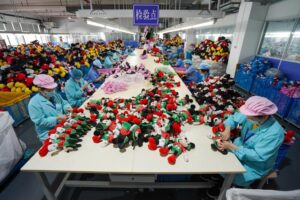
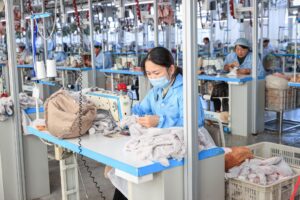
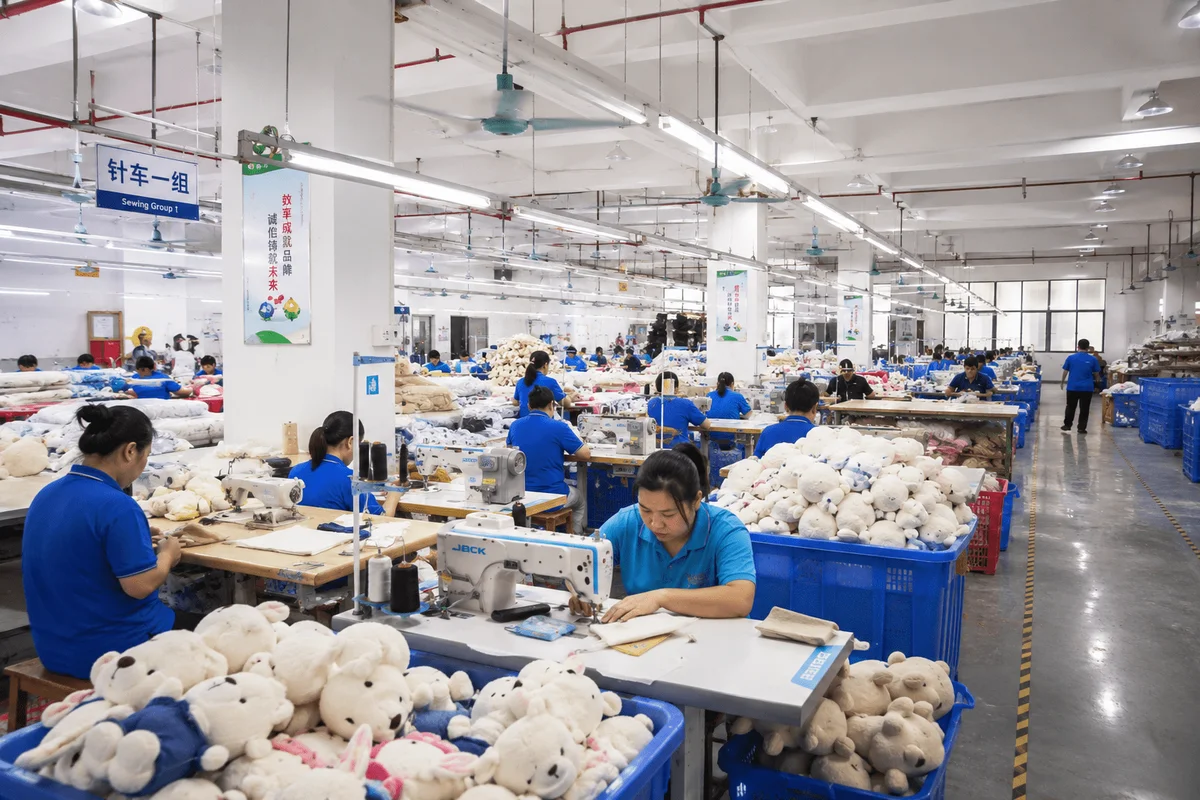
A professional plush toy factory should understand product development, material selection, pattern making, sample revision, embroidery, stuffing, packaging, quality inspection, and export requirements. Understanding the complete custom plush toy manufacturing process helps buyers evaluate whether a supplier can handle their project from concept to production.
What Makes a Good Custom Plush Toy Manufacturer?
A good custom plush toy manufacturer should support the full development process from initial idea to bulk production. This usually includes design review, prototype development, material sourcing, pattern making, embroidery or printing, stuffing, sewing, quality inspection, packaging, and shipment preparation.
For B2B buyers, the key question is not only whether a factory can produce plush toys, but whether it can produce your specific plush toy accurately and consistently. A mascot plush toy, baby plush toy, plush keychain, electronic plush toy, or custom stuffed animal may require different materials, structures, safety considerations, and manufacturing methods.
Before choosing a supplier, buyers should check whether the factory has experience with similar product types, order quantities, and target markets. A manufacturer familiar with retail products, promotional gifts, brand merchandise, and export requirements can usually reduce mistakes during sampling and mass production.
Check the Manufacturer’s Custom Plush Toy Experience
Experience matters because custom plush toys are not standard products. Each project may involve a new shape, new pattern, new embroidery file, new color matching requirement, or special packaging request.
When reviewing a manufacturer, check their previous projects carefully. Ask whether they have produced plush toys for brands, retailers, museums, events, character IP owners, or promotional campaigns.
If your product is a custom animal plush, mascot plush, plush pillow, plush backpack, or plush keychain, it is better to work with a supplier that has handled similar projects before.
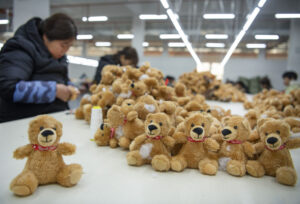
You can also ask for photos of previous samples, production facilities, material options, and packaging examples. A professional manufacturer should be able to explain how different design details affect cost, sampling time, MOQ, and final appearance.
For example, a plush toy with a simple body shape and basic embroidery may be easier to sample and produce. A plush toy with complex facial expressions, mixed fabrics, accessories, sound modules, or special structures may require more development time and stricter quality control.
Review the Sampling and Prototype Process
The prototype stage is one of the most important parts of custom plush toy manufacturing. A clear custom plush toy sampling process helps buyers check the shape, size, facial expression, fabric feel, stuffing level, embroidery details, accessories, and overall appearance before bulk production.
A typical plush toy sample process may include:
- Reviewing the design artwork or reference sample
- Confirming size, fabric, colors, and structure
- Creating the paper pattern
- Cutting and sewing the first sample
- Adding embroidery, printing, labels, or accessories
- Checking the sample and collecting buyer feedback
- Making revisions before final approval
For simple plush toy designs, sampling may take around 3–7 days after all details are confirmed. More complex designs may take longer, especially when custom fabrics, detailed embroidery, accessories, packaging, or electronic components are involved.
Buyers should not rush the prototype stage. A clear sample approval process can prevent expensive mistakes during bulk production. Before production starts, make sure the approved sample is documented with size, fabric, colors, embroidery position, stuffing density, label placement, and packaging requirements.
Compare MOQ, Cost, and Production Capacity
MOQ is one of the first questions many buyers ask. Understanding custom plush toy MOQ requirements helps brands plan budgets, production quantities, and product launches more effectively.
For custom plush toys, MOQ depends on product size, fabric availability, design complexity, accessories, packaging, and production setup.
Many custom plush toy projects start from around 1,000 pieces. For simpler designs or certain available materials, some manufacturers may support lower starting quantities. For highly customized fabrics, special accessories, or complex packaging, MOQ may be higher.
Price is also affected by many factors. A plush toy quotation is not only based on size. It may include fabric cost, stuffing material, embroidery area, printing method, sewing difficulty, accessory cost, packaging type, quality inspection, and shipping preparation.
| Factor | What Buyers Should Check | Why It Matters |
|---|---|---|
| MOQ | Minimum order quantity for the design | Affects budget and production planning |
| Sample Time | Time needed for first sample and revisions | Helps estimate project timeline |
| Product Size | Final plush toy height or length | Affects material usage and shipping cost |
| Fabric Type | Short plush, minky, velboa, faux fur, and other materials | Affects appearance, softness, and durability |
| Embroidery / Printing | Facial details, logos, patterns, decoration | Affects accuracy and production cost |
| Packaging | Hang tags, boxes, bags, export cartons | Affects retail presentation |
| Safety Requirements | EN71, ASTM F963, and other market requirements | Important for international sales |
Check Material, Embroidery, and Packaging Options
Material selection plays an important role in the final quality of custom plush toys. Different fabrics create different hand feels, appearances, durability levels, and price ranges.
Common plush toy materials include:
- Short plush
- Super soft plush
- Long plush
- Velboa
- Fleece
- Minky fabric
- Faux fur
The right material depends on the product type, target customers, budget, and safety requirements. A professional custom plush toy manufacturer should be able to recommend suitable materials based on your design and market needs.
Stuffing quality also affects the final product. PP cotton and polyester fiberfill are commonly used for plush toys. The stuffing level influences softness, shape retention, weight, and overall customer experience.
For example, a sample that looks good but is underfilled may lose its shape easily, while an overfilled plush toy may feel too hard or affect the original design appearance.
For facial details and brand elements, embroidery is often preferred because it is durable and suitable for many plush toy designs. Printing can also be used for patterns, logos, and decorative elements.
Retail and promotional plush projects may also require:
- Woven labels
- Hang tags
- Care labels
- Barcode labels
- Display boxes
- Customized retail packaging
Confirm Plush Toy Safety Standards
Safety is especially important when custom plush toys are designed for children, babies, retail stores, or international markets. Buyers should discuss applicable safety requirements with the manufacturer before production.
For European markets, buyers may need to consider EN71-related requirements. For the United States, ASTM F963 is commonly referenced for toy safety. Other markets may have different requirements depending on product type, age grading, materials, labeling, and electronic components.
An experienced manufacturer can help buyers prepare products with safety requirements in mind. This may include selecting suitable materials, securing seams, checking stuffing openings, using proper labels, and supporting third-party testing when needed.
If the plush toy includes sound, lighting, batteries, or electronic features, buyers should discuss additional compliance requirements before production. Electronic plush toys usually require more planning compared with standard soft toys.
Evaluate Communication and Revision Support
Communication is a major factor when selecting a custom plush toy manufacturer. A reliable supplier should ask detailed questions before providing a quotation.
Important information includes:
- Design artwork
- Target size
- Order quantity
- Preferred materials
- Target market
- Packaging requirements
- Safety requirements
- Expected delivery timeline
If a supplier provides a price without understanding the product details, the quotation may not accurately reflect the final production requirements.
During sampling, revisions are normal. Common revision points include:
- Facial expression
- Body proportions
- Fabric color
- Embroidery size
- Ear or limb position
- Stuffing level
- Label placement
- Packaging details
A strong supplier should explain what can be changed, what may affect cost, and what may require another sample. Clear communication helps both sides avoid misunderstandings before bulk production.
Final Checklist Before Choosing a Plush Toy Manufacturer
Before confirming a supplier, buyers can use this custom plush toy manufacturer checklist to compare manufacturers based on experience, MOQ, sampling process, materials, safety requirements, and production capability.
- Does the manufacturer have experience with similar plush toy projects?
- Can they support design review, sampling, revisions, and bulk production?
- Is the MOQ suitable for your project?
- Are sample time and production timelines clearly explained?
- Can they provide suitable fabric, stuffing, embroidery, printing, and packaging options?
- Do they understand safety requirements for your target market?
- Can they communicate clearly during sample revisions?
- Do they have quality control procedures before shipment?
- Can they support export packaging and shipping preparation?
A good manufacturer should make the process easier, not more complicated. The right supplier should help transform your idea into a finished plush toy that matches your brand expectations and quality requirements.
FAQs About Choosing a Custom Plush Toy Manufacturer
What is the usual MOQ for custom plush toys?
MOQ depends on the design, size, materials, accessories, and packaging requirements. Many custom plush toy projects start from around 1,000 pieces, while simpler designs may support lower quantities.
How long does plush toy sampling take?
A standard plush toy sample usually takes around 3–7 days after confirming the design, size, fabric, colors, and artwork. Complex projects with special fabrics, embroidery, accessories, packaging, or electronic components may require more time.
Can I make plush toys based on my own character design?
Yes. A professional custom plush toy manufacturer can develop products based on character artwork, mascot designs, brand IP, reference samples, or design sketches. Clear artwork and detailed instructions can improve sample accuracy.
What information should I prepare before requesting a quote?
Buyers should prepare design artwork, target size, estimated quantity, material preference, packaging requirements, target market, safety requirements, and delivery timeline. Reference photos or previous samples are also helpful.
What safety standards should custom plush toys meet?
Safety requirements depend on the target market and product type. European markets may require EN71-related compliance, while the United States commonly references ASTM F963. Children’s plush toys and electronic plush products may require additional testing.
Why choose an experienced plush toy manufacturer instead of the cheapest supplier?
The lowest price does not always mean the best value. Custom plush toys require pattern making, sampling, material selection, sewing quality, stuffing control, safety awareness, and production consistency. An experienced manufacturer can reduce production risks and quality issues.
Conclusion
Choosing the right custom plush toy manufacturer is an important decision for brands, retailers, IP owners, and gift companies. The ideal supplier should understand your design, explain the production process, support prototype revisions, recommend suitable materials, meet safety requirements, and deliver consistent quality during bulk production.
Before starting a project, compare manufacturers based on experience, sampling ability, MOQ, material options, safety knowledge, communication, and quality control. A reliable plush toy factory can help turn your idea into a soft, safe, attractive product ready for your target market.
If you already have a character design or plush toy concept, you can request a custom plush toy quote and discuss your project requirements with our team.