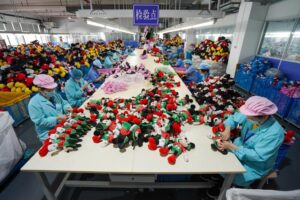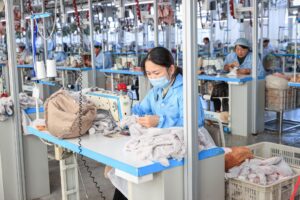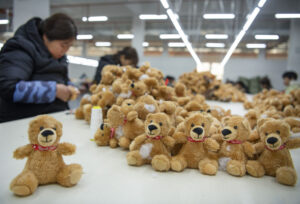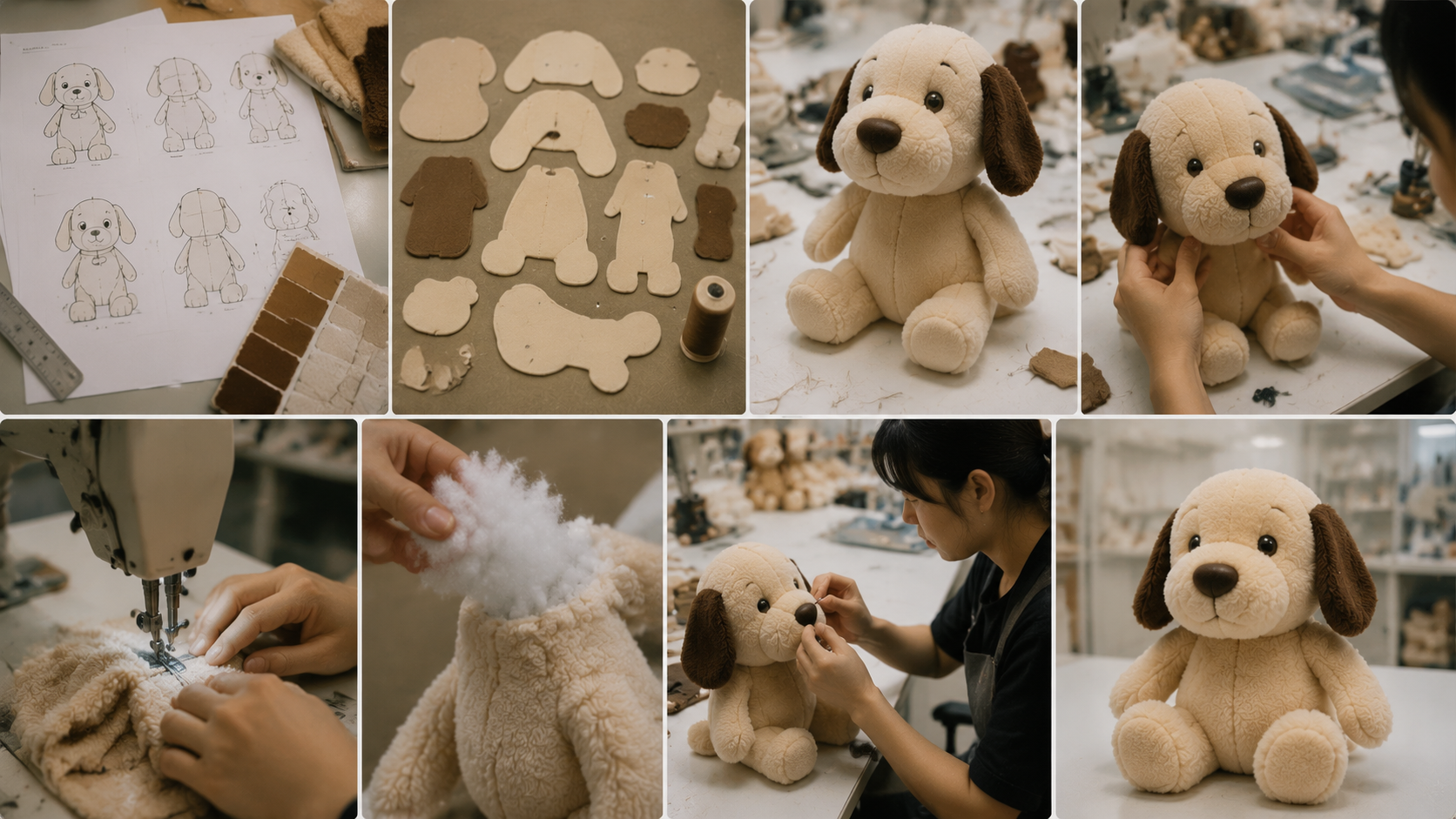
The custom plush toy sampling process is a key stage in plush toy development that transforms design concepts into production-ready prototypes for brands, IP owners, wholesalers, and product development teams.
Before moving into bulk production, sampling allows buyers and manufacturers to evaluate product structure, materials, proportions, appearance, and overall quality. A well-managed sampling process helps reduce production risks and ensures the final plush toy matches the original design expectations.
At FunEnjoy Toys, the sampling process includes design review, material selection, pattern making, prototype development, revisions, and final sample approval before production.
Use this guide to prepare your brief, review sample details and record approval decisions. For FunEnjoy’s full route from sampling to shipment, see the custom plush toy order process. For project-specific development support and a sample quote, use our prototype service page.
What Is the Custom Plush Toy Sampling Process?
The custom plush toy sampling process is the development stage between an initial design idea and a finished prototype. It allows brands to verify the physical appearance and production feasibility of a plush toy before starting mass production.
The main stages include:
- Design review and feasibility evaluation
- Material and fabric selection
- Pattern development
- Prototype plush toy creation
- Sample revisions
- Final sample approval
A professional plush toy prototype service helps brands transform drawings, concepts, and reference images into physical samples that can be reviewed before production.
From Design Review to Plush Toy Prototype
Design Review and Feasibility Check
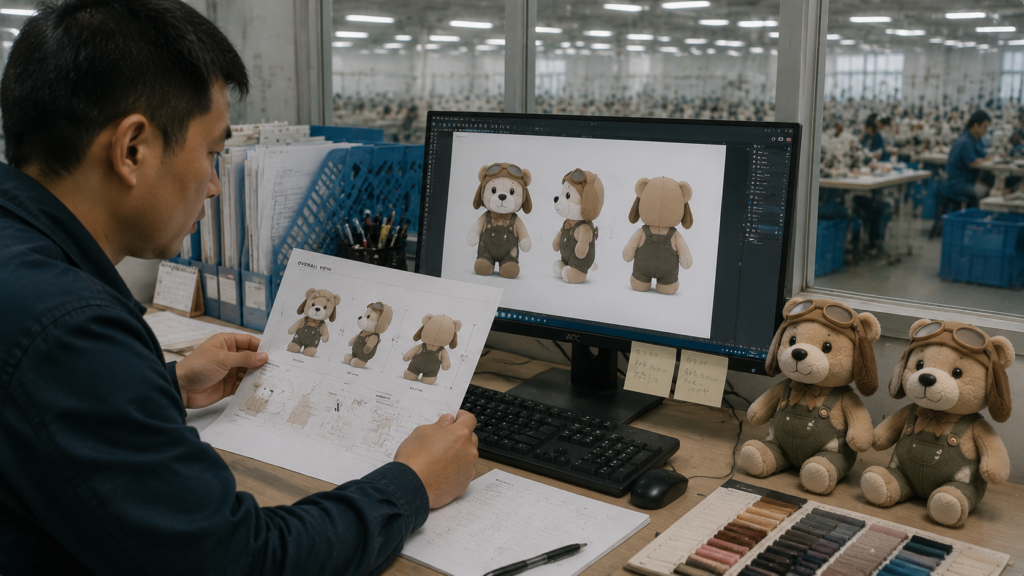
The first step of the sampling process is reviewing the design concept and confirming whether it can be successfully converted into a plush product.
Manufacturers review important details including shape, proportions, construction methods, stitching requirements, and production feasibility.
Providing complete plush toy design files helps the factory team better understand the product requirements and prepare a more accurate prototype.
Material Selection for Sampling
Material selection affects the final appearance, softness, durability, and overall feel of the plush toy sample.
Common sampling materials include:
- Short plush fabric
- Minky fabric
- Velboa fabric
- PP cotton filling
- Embroidery and printed details
The manufacturer evaluates suitable materials based on the design concept, target market, and desired product experience.
Pattern Making and Sample Cutting
After design confirmation, the concept is converted into a production pattern. The pattern defines fabric cutting shapes, sewing lines, internal structure, and assembly methods.
Accurate pattern development is essential because it directly affects the final shape, proportions, and consistency of the plush toy prototype.
First Prototype Production
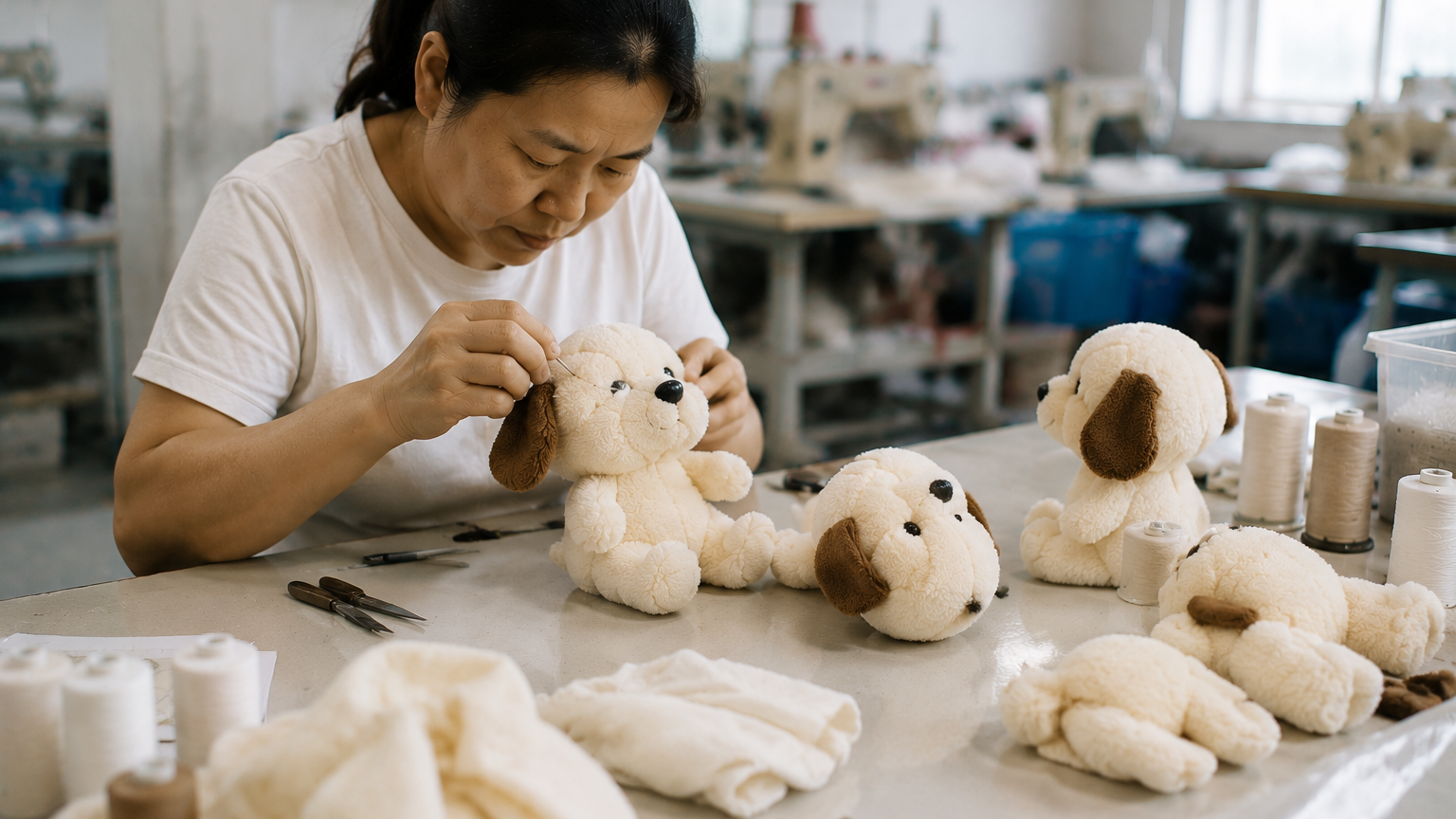
The first physical prototype is created after pattern development. This sample allows buyers to review how the design works in real materials and dimensions.
The first prototype is usually reviewed for:
- Overall shape and proportion
- Fabric texture and color
- Stuffing softness
- Embroidery and printed details
- Accessories and functional parts
After reviewing the first sample, buyers can provide feedback and request adjustments before final approval.
Refer to the sample version when sending feedback. Group comments into changes that are required for approval, optional preferences and questions for the factory. Use marked photos or reference views to show the exact location of each change. Confirm the agreed revision list and keep the updated version separate from the previous sample record.
Sample Timeline and Revision Stages
The timeline of a custom plush toy sampling process depends on design complexity, material selection, revision requirements, and approval speed. Each stage helps ensure the final prototype meets the expected quality before bulk production.
| Stage | What Happens | What Affects the Schedule |
|---|---|---|
| Design Review | Review the brief, structure and open questions. | Completeness of references and the decisions still required. |
| Pattern Making | Prepare patterns and construction for the agreed sample direction. | Shape complexity, materials and accessories. |
| First Prototype | Make the physical sample for review. | Material availability and required finishing or components. |
| Revision | Apply agreed changes and review the updated version. | Extent of changes, new materials and feedback turnaround. |
| Final Approval | Confirm the sample version and specifications. | Outstanding details and the buyer’s approval process. |
Ask for a project schedule after the brief and sample scope have been reviewed. Agree the revision scope, charges and expected timing before changes are made. Sample development, courier transit and bulk production are separate parts of the launch plan.
For brands planning a complete product launch, the sampling stage should be considered together with the overall custom plush toy production timeline.
Sample Approval Before Bulk Production
Sample approval is the final confirmation stage before bulk manufacturing begins. The approved sample becomes the reference standard for production quality, appearance, materials, and product consistency.
Before approving a plush toy sample, buyers should carefully review:
- Overall shape and proportions
- Fabric texture and color accuracy
- Embroidery and printed details
- Stuffing amount and softness
- Accessories and functional parts
- Packaging requirements
- Safety requirements for the target market
Sample Approval Checklist
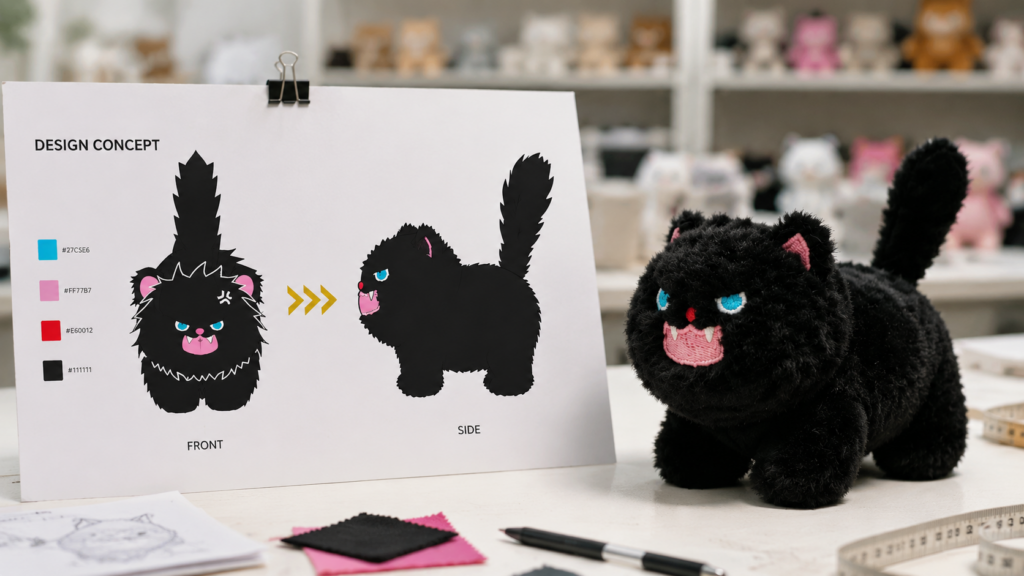
A detailed sample review checklist helps buyers confirm every important product detail before moving into bulk production.
Record the sample version and date with your review notes. Mark each item as approved, requiring a change or awaiting confirmation.
| Checkpoint | What to Review | Buyer Notes |
|---|---|---|
| Shape and Proportion | Check character appearance, dimensions, and overall structure | Record the target dimensions and how they were measured. |
| Fabric and Color | Confirm material texture, softness, and color matching | Identify the agreed material and color reference; note any pending confirmation. |
| Embroidery / Printing | Review placement, quality, and visual accuracy of details | |
| Stuffing Softness | Check filling amount, firmness, and product feel | |
| Accessories | Confirm attached elements, clothing, or additional components | Confirm the component, attachment method and any functional requirements. |
| Packaging | Review packaging style and product presentation | Identify whether packaging is approved with this sample or separately. |
| Safety Requirements | Confirm requirements for the target market | Record intended use, age group where relevant, destination market and agreed testing or document requirements. |
Visual sample approval alone does not establish completion of required product testing. Confirm which tests, reports and documents are required for the project.
Buyer Checklist Before Sampling
Preparing complete information before starting the sampling process helps manufacturers create more accurate prototypes and reduces unnecessary revisions.
- Plush toy design files
- Front, side, and back reference views
- Target size specification
- Reference images or design inspiration
- Fabric preference
- Embroidery or printing requirements
- Target market requirements
- Packaging requirements
- Expected launch timeline
- Quantity per design and the number of designs or SKUs being considered.
- Intended use, user age group where relevant, and destination market for project review.
- Reference priorities: which details must be matched and which may be adjusted for construction.
- One contact who will consolidate feedback and confirm sample decisions.
When to Use a Plush Toy Prototype Service
A plush toy prototype service is especially useful for brands, IP owners, and product developers who need to evaluate a physical sample before production.
Common situations where prototype development is valuable include:
- Developing new character plush toys
- Creating brand mascot products
- Launching retail plush collections
- Testing new product concepts
- Converting illustrations into physical plush products
FunEnjoy Toys provides a plush toy prototype service to help brands move from initial concepts to production-ready samples.
Frequently Asked Questions About Plush Toy Sampling
How long does the custom plush toy sampling process take?
Timing depends on the brief, construction, material availability and agreed revisions. Request a project schedule after the sample scope is reviewed, and confirm separately whether courier transit is included in the estimate.
Can I request revisions during sampling?
Revision requests can be reviewed before final approval. Agree which changes are included in the sample scope and which require additional work, charges or time. Send consolidated feedback against the current sample version.
What files are needed to start sampling?
Design sketches, reference images, AI files, PNG files, PDF drawings, or 3D models can help manufacturers understand the product requirements.
Is sampling required before bulk production?
Yes. Sampling helps confirm design accuracy, materials, structure, and product details before bulk production begins.
How much does plush toy sampling cost?
Sampling cost depends on design readiness, size, construction, materials, accessories and the development work required. Ask the quotation to identify sample development, agreed revisions, special components, testing and shipping where applicable. Any refund or credit arrangement should be confirmed in writing for the project.
Send Your Design for a Sample Quote
If you are developing a custom plush toy project, FunEnjoy Toys can help transform your idea into a production-ready prototype through design review, material selection, sampling, revisions, and manufacturing support.
Send your design details and let our team help you evaluate the next steps for your plush toy sample development.