Turning a character design into a plush toy requires more than simply sending an image to a factory. A successful plush product needs professional interpretation of the artwork, material selection, pattern development, sampling, revisions, and production planning.
For IP owners, brands, designers, and product teams, learning how to turn character design into plush toy products helps reduce development risks and ensures the final plush toy matches the original character identity.
This guide explains how brands can turn character design into plush toy products, covering artwork review, 3D interpretation, sampling, and bulk manufacturing steps.
For brands developing character-based products, understanding intellectual property considerations is also important before moving from design concepts to commercial manufacturing. The World Intellectual Property Organization (WIPO) offers resources about intellectual property rights and protection.
Why Character Design Needs Professional Plush Toy Development
A character illustration is usually created for digital use, animation, games, or branding. However, a plush toy is a physical product with three-dimensional structure, fabric limitations, and manufacturing requirements.
During development, manufacturers need to consider:
- Character proportions
- Facial expression accuracy
- Body structure and shape
- Fabric texture
- Filling volume
- Embroidery and printing details
- Production feasibility
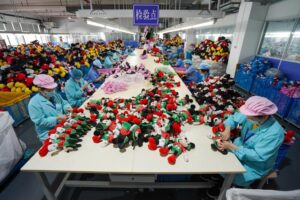
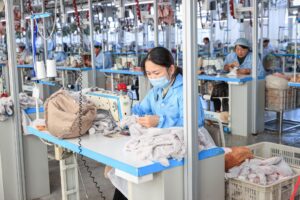
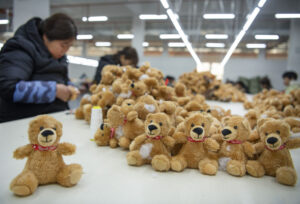
A professional plush manufacturer helps transform creative concepts into products that can actually be produced at scale.
The Process to Turn Character Design Into Plush Toy Products
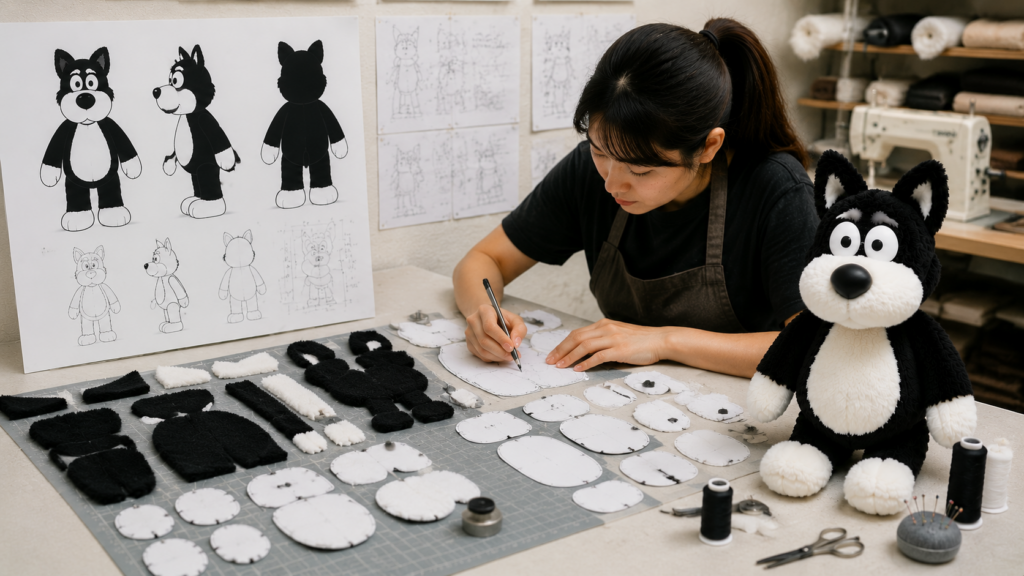
Step 1: Review Character Artwork and Production Requirements
The first step is reviewing the original character files and understanding the product goals.
Buyers should provide:
- Character illustrations
- Front, side, and back views if available
- Color references
- Character story or brand guidelines
- Target size
- Expected quantity
- Packaging requirements
More detailed artwork helps manufacturers better understand the character structure and prepare accurate prototypes.
Step 2: Convert 2D Character Design Into a 3D Plush Structure
The biggest challenge when brands turn character design into plush toy products is creating an accurate three-dimensional interpretation.a drawing into a plush toy is creating a three-dimensional interpretation.
A designer needs to decide:
- Which parts should be separate pieces
- How the head and body should be shaped
- How facial features should be created
- Where embroidery or printing should be applied
- How the character should stand or sit
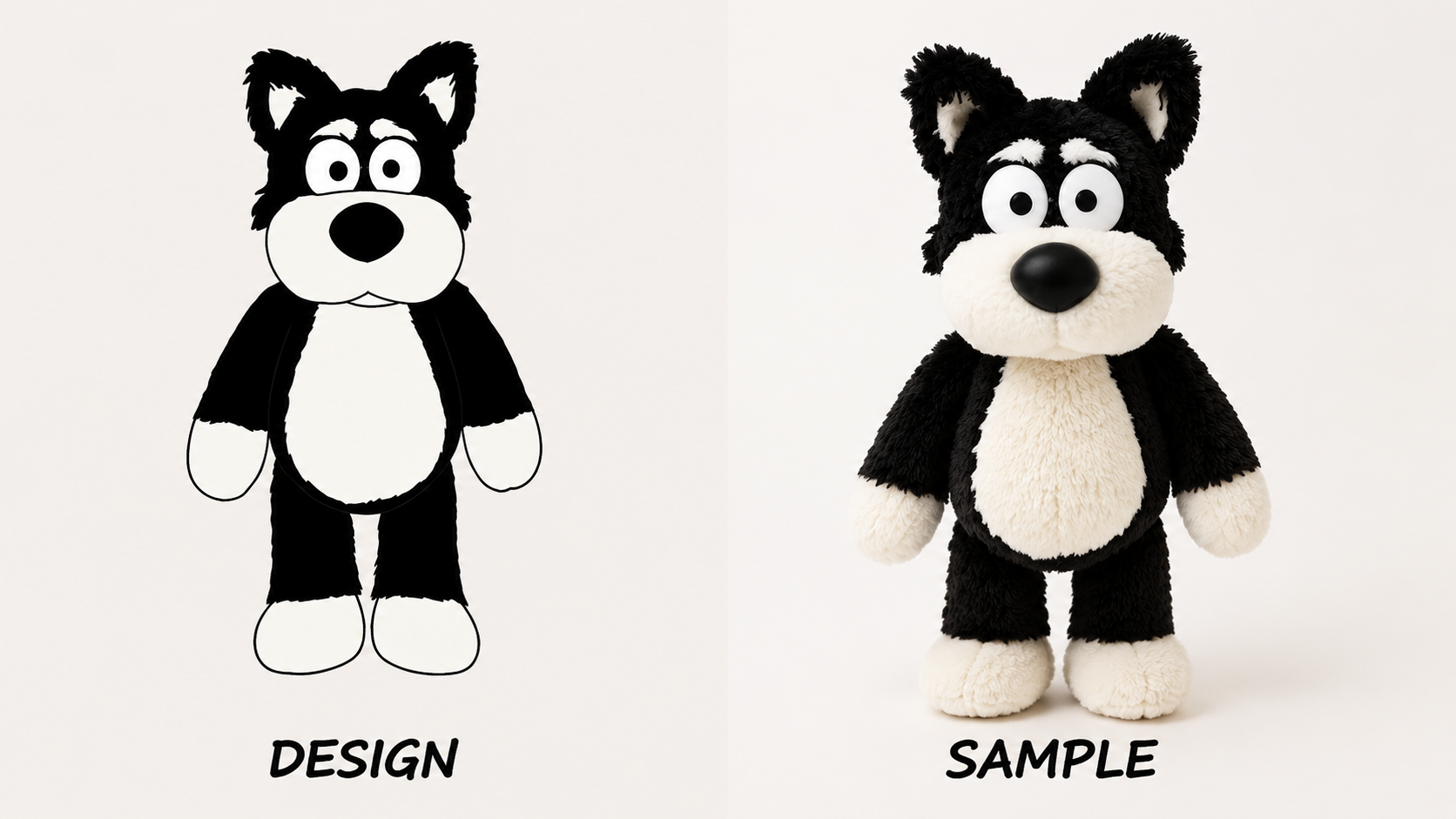
For example, a cartoon character with large eyes, small arms, or unusual proportions may require special pattern development to maintain the original appearance.
Step 3: Select Fabrics, Filling, and Production Details
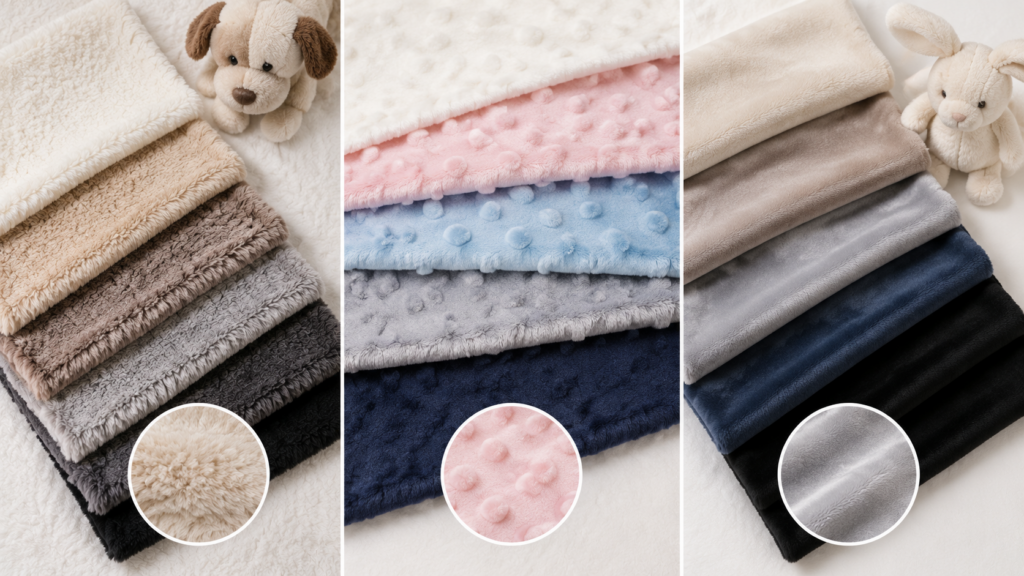
Material selection has a significant impact on the final appearance and customer experience.
| Material / Detail | Common Application | Key Characteristics |
|---|---|---|
| Short Plush | Most character plush toys | Soft surface and versatile usage |
| Minky Fabric | Premium plush products | Smooth and soft hand feel |
| Velboa | Commercial plush production | Durable and cost-effective |
| PP Cotton Filling | Most stuffed toys | Lightweight and maintains shape |
| Embroidery | Eyes, logos, facial details | Durable decorative solution |
Choosing suitable materials during the early stage helps control production cost and maintain consistency during bulk manufacturing.
Step 4: Create the First Plush Toy Prototype
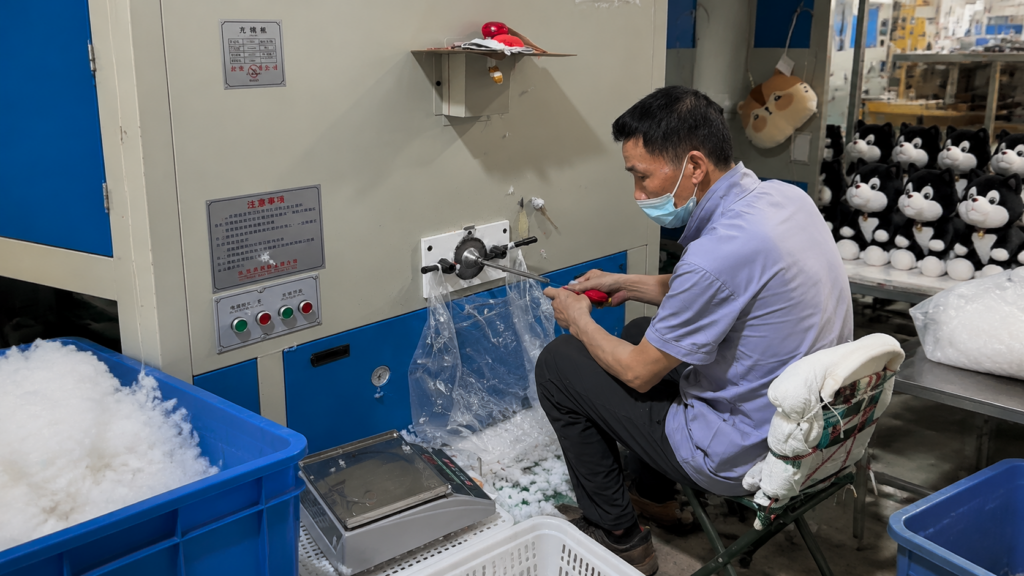
During this stage, manufacturers transform character design into plush toy prototypes that allow brands to review appearance, materials, and production details before approval.
After design confirmation, the manufacturer creates the first sample based on the approved concept.
The prototype process usually includes:
- Pattern creation
- Fabric cutting
- Sewing
- Stuffing
- Embroidery or printing
- Accessory attachment
- Final sample adjustment
The first prototype allows buyers to review the actual product size, shape, colors, and details before moving into bulk production.
If you want to understand more about the sampling process, check our guide on custom plush toy sampling process.
Step 5: Revise the Sample and Prepare for Bulk Production
Most character plush projects require sample adjustments before final approval.
Common revision areas include:
- Character proportions
- Fabric color matching
- Facial expression
- Stuffing amount
- Accessory position
- Packaging details
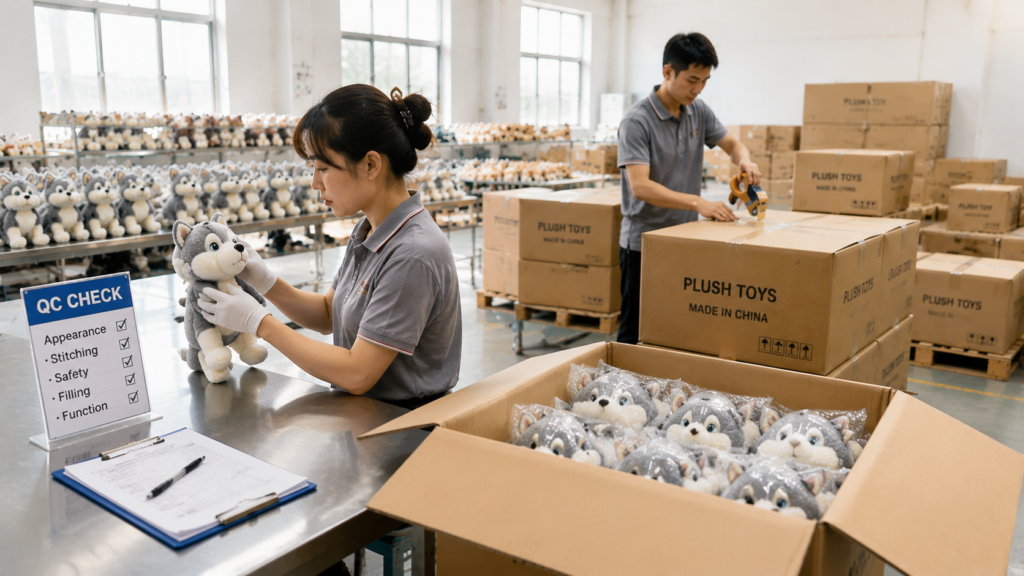
Once the final sample is approved, the manufacturer can prepare materials, production schedules, quality control standards, and export arrangements.
Files Needed Before Starting a Character Plush Toy Project
Preparing the right files helps speed up communication between designers and manufacturers.
- Character artwork
- Vector files if available
- High-resolution images
- Color references
- Size requirements
- Packaging design
- Quantity expectations
Buyer Checklist Before Creating a Custom Character Plush Toy
- ☐ Character design files prepared
- ☐ Target plush size confirmed
- ☐ Material preference discussed
- ☐ Embroidery and printing details confirmed
- ☐ Packaging requirements prepared
- ☐ Production quantity estimated
- ☐ Safety requirements identified
- ☐ Sampling timeline discussed
Common Mistakes When Turning Characters Into Plush Toys
1. Providing Only One Front Image
A single image may not provide enough information about the character structure. Additional views or reference materials help manufacturers create a more accurate prototype.
2. Ignoring Manufacturing Limitations
Some details that work well in digital artwork may be difficult to reproduce in fabric. Early communication with the manufacturer helps find practical solutions.
3. Starting Production Before Sample Approval
Sample confirmation is an important step because it allows buyers to check appearance, materials, and quality before bulk manufacturing.
Frequently Asked Questions
Can any character design become a plush toy?
Most character designs can be developed into plush toys, but complex shapes, small details, and unusual structures may require additional design adjustments for manufacturing.
How long does it take to create a character plush toy sample?
The timeline depends on design complexity, material availability, and revision requirements. Simple designs usually require less development time than highly detailed characters.
Can I create plush toys based on my existing IP character?
Yes. Many brands and IP owners develop plush toys based on existing characters for merchandise, retail products, promotional campaigns, and collectible series.
What information should I provide before requesting a quote?
Provide character artwork, expected size, quantity, packaging requirements, and any special design details. This helps manufacturers evaluate the project accurately.
Start Your Character Plush Toy Project
If you want to turn character design into plush toy products, FunEnjoy Toys can support your project from concept review and prototype development to material selection, bulk production, packaging, quality control, and export support.
Contact FunEnjoy Toys to discuss your character plush toy project and receive professional manufacturing support.