Email: emma@funenjoy.net    |    WhatsApp: +86 15988827697
A Trusted China Manufacturer Since 1998

Choosing the right type of plush toy is one of the first decisions in a custom plush project. For brands, IP owners, retailers, gift companies, and promotional product buyers, the product type affects much more than how the toy looks. It can influence sampling cost, MOQ, fabric selection, embroidery details, stuffing density, packaging, safety testing, and the final retail experience.

A small plush keychain, a baby crib mobile, a soft plush pillow, and a 40 cm character plush may all belong to the plush toy category, but their production requirements are very different. Some are simple and suitable for large promotional orders. Some require more complex pattern making, embroidery, accessories, internal structure, or electronic components.

Understanding the different types of plush toys can help brands choose a product structure that fits their audience, budget, safety requirements, and sales channel. This guide explains the main types of plush toys and how each category is commonly used in custom plush manufacturing. If you are planning a custom plush project for your brand, this article can help you choose the right product type before sampling.

Not sure which plush toy type fits your project? FunEnjoy Toys can help review your design, target audience, size, material, and budget before sampling.

Request a Custom Plush Toy Quote

What Are the Main Types of Plush Toys?

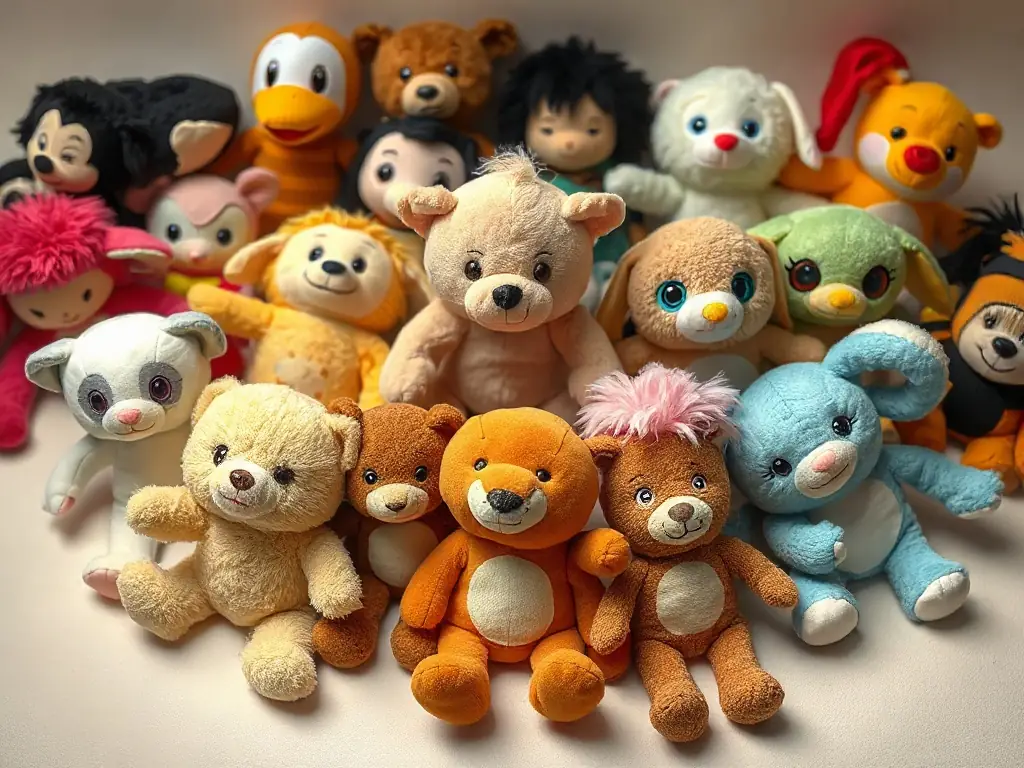
The main types of plush toys include traditional stuffed animals, plush keychains, plush pillows, plush backpacks, baby plush toys, electronic plush toys, and custom mascot plush products. Each type has its own use case, production difficulty, cost structure, and quality control requirements.

For example, a standard stuffed animal may focus on softness, shape, facial expression, and child safety. A plush keychain needs to consider small-size embroidery, hardware strength, and attachment durability. A plush backpack requires not only plush sewing but also bag structure, zipper quality, lining, shoulder straps, and capacity. An electronic plush toy adds another level of complexity because the plush shell must work together with sound, light, motion, or sensor modules.

For custom plush projects, choosing the right type is not only a design decision. It is also a manufacturing decision. The best choice depends on your target audience, sales channel, expected order quantity, budget, safety requirements, and how the product will be used.

Stuffed Animal Toys

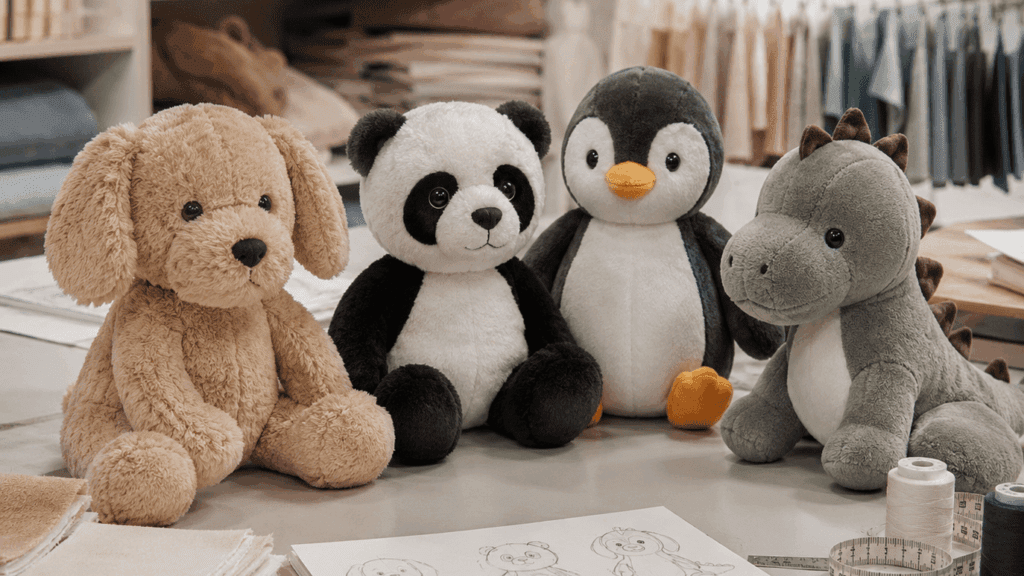
Stuffed animal toys are one of the most common and popular types of plush toys. They include teddy bears, dogs, cats, rabbits, dinosaurs, sea animals, fantasy creatures, and character-based plushies. For many brands, this is the first category they consider when developing a custom plush product.

Stuffed animals are suitable for children’s brands, retail collections, IP projects, museum shops, theme parks, promotional gifts, and direct-to-consumer merchandise. They can be made in many sizes, from small palm-sized plush toys to large display plush products.

For a custom stuffed animal project, the most important production points are shape, proportion, expression, fabric choice, embroidery, and stuffing. A small change in the head size, eye position, mouth embroidery, or body proportion can make the plush look more cute, more premium, or closer to the original character design.

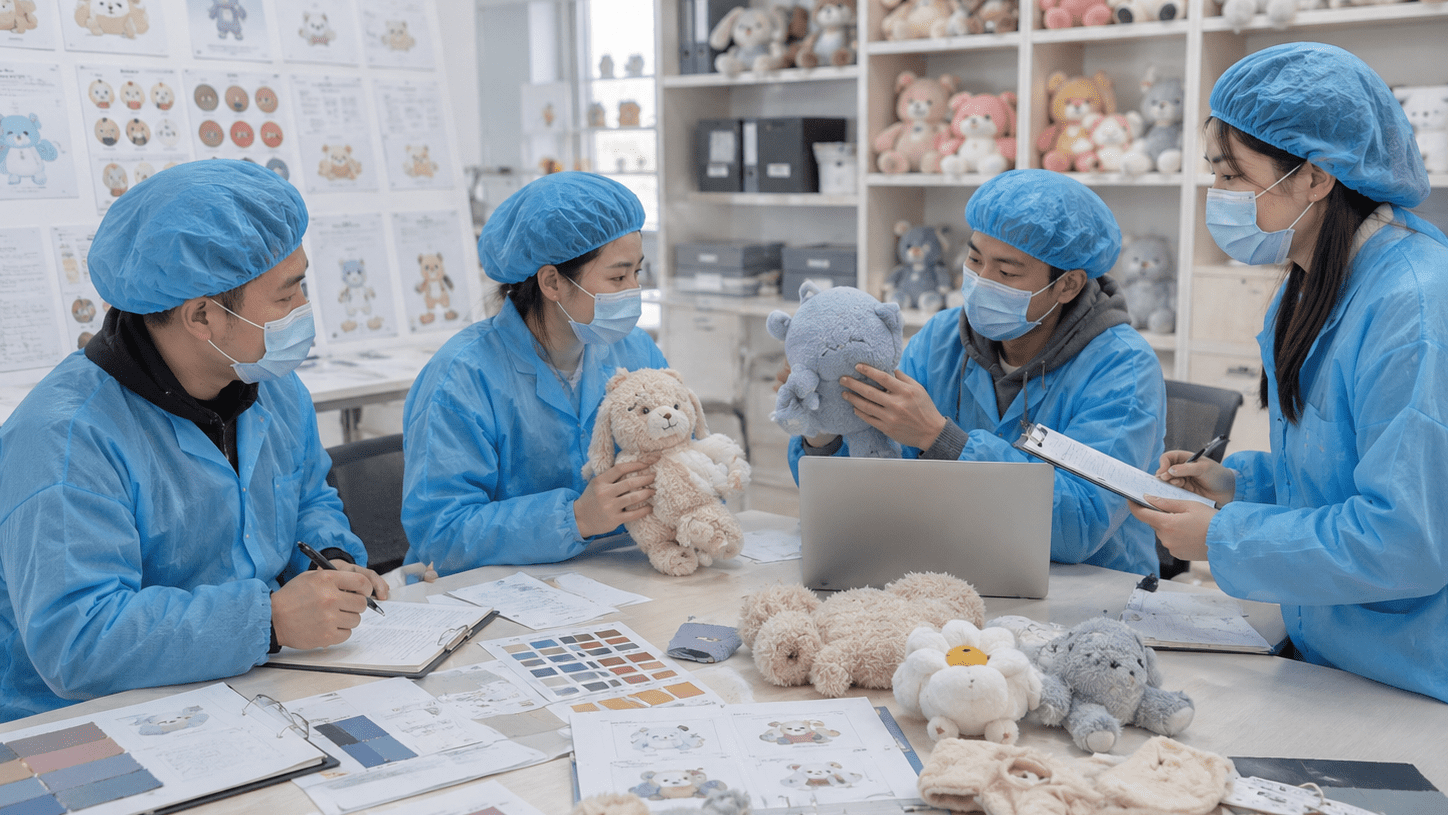
At FunEnjoy Toys, we usually review the design from both a visual and production perspective before sampling. A 2D illustration may look good on screen, but it often needs adjustment before it can become a soft 3D plush toy. The pattern must support the correct shape, the fabric must match the design style, and the stuffing density must help the plush keep its form.

Stuffed animals can also be customized with hang tags, woven labels, care labels, embroidery, printed fabric, accessories, clothing, or retail packaging. For brands planning a full product line, it is important to keep the design language consistent across different characters or sizes.

If your project is focused on animal-shaped plush toys, you can explore our custom stuffed animal toys service for more information about design, sampling, and bulk production.

Plush Toy Prototype Service

Plush Keychains

Plush keychains are small plush products attached to metal rings, lobster clasps, ball chains, or other hardware. They are often used for brand merchandise, event giveaways, retail add-on products, blind box accessories, game IP merchandise, and promotional campaigns.

Because plush keychains are smaller than regular stuffed animals, many buyers assume they are always simple and low-cost. In reality, small plush toys can require careful production control. The embroidery area is smaller, the seam allowance is tighter, and the final shape can be harder to keep consistent. If the design includes detailed eyes, logos, clothing, or small accessories, the sampling process may take extra adjustment.

The hardware also affects the final cost. A simple ball chain and a stronger metal clasp will have different prices and different durability. For children’s products, the safety of small parts and attachment strength should also be reviewed carefully.

Plush keychains are a good choice when your brand wants something cute, portable, and easy to distribute. They work well for conventions, fan merchandise, blind box series, seasonal gifts, and retail checkout items. They are also suitable for bulk customization because the product size is small and shipping is usually more efficient than larger plush toys.

For brands developing small plush accessories, custom plush keychains can be a practical way to turn a mascot, logo, or character design into a low-barrier merchandise product.

Plush Pillows

Plush pillows combine the softness of plush toys with the function of cushions or home accessories. They can be designed as animals, characters, logos, food shapes, cloud shapes, hearts, stars, or brand mascots. Compared with traditional stuffed animals, plush pillows usually have a flatter or wider structure and focus more on comfort, touch, and display.

This type of plush product is suitable for home decor, lifestyle brands, gift shops, IP merchandise, children’s rooms, travel accessories, and promotional collections. A plush pillow can be simple and clean, or it can be highly shaped with embroidery, applique, printed fabric, or 3D details.

The main production factors for plush pillows are fabric, filling, shape stability, and hand feel. If the pillow is too soft, it may collapse and lose its shape. If it is too hard, it may not feel comfortable. The right stuffing density depends on the product size, shape, target market, and expected use.

Fabric also plays a major role. Short plush, minky, sherpa, faux fur, velboa, and other soft fabrics can create different looks and textures. For premium gift products, the fabric hand feel may be just as important as the visual design.

Custom plush pillows are also useful for brands that want a product with higher perceived value. Compared with small plush accessories, pillows usually offer more space for design and branding. They can be used as retail products, corporate gifts, holiday merchandise, or IP extensions.

If your brand is developing soft home or gift products, custom plu/custom-plush-pillows/sh pillows can be a flexible category with many design possibilities.

Plush Backpacks and Bags

Plush backpacks, plush pouches, plush cosmetic bags, plush crossbody bags, and plush drawstring bags are plush products with storage function. They are especially popular for children’s brands, retail gift products, lifestyle accessories, and character merchandise.

Compared with standard plush toys, plush bags are more complex to manufacture because they must combine appearance, softness, structure, and usability. A plush backpack needs shoulder straps, zipper openings, lining, capacity, stress points, and sometimes adjustable buckles. A plush pouch may need a zipper, inner seam finishing, custom lining, puller, or label. These details affect both cost and production time.

The design also needs to balance cuteness and function. If the plush shape is too complex, the usable storage space may become too small. If the bag structure is too simple, the product may not meet retail expectations. For this reason, plush bag projects often require more technical discussion during the sampling stage.

For plush backpacks, durability is especially important. The shoulder straps and zipper area need to withstand repeated use. The factory should check seam strength, hardware quality, lining quality, and whether the product can hold the expected weight.

Plush bags are a strong option for brands that want products with both emotional appeal and practical use. They are also suitable for children’s retail, gift shops, school accessories, travel merchandise, and IP character collections.

If your project needs a functional plush accessory, our custom plush backpack service can help you evaluate design structure, material options, and production feasibility.

Baby Plush Toys and Crib Mobiles

Baby plush toys, crib mobiles, soft rattles, comfort plush, and nursery plush products require more attention to safety, fabric softness, and construction details. Unlike general gift plush, baby products are designed for younger users, so every material and accessory must be reviewed carefully.

For baby plush products, the fabric should be soft, comfortable, and suitable for the target age group. Small parts, loose accessories, sharp edges, long strings, weak seams, and detachable decorations can create safety risks. If the product is intended for babies or toddlers, the design should avoid unnecessary small components and focus on secure construction.

Crib mobiles are a special category because they often combine plush hanging toys with a frame, music box, rotating structure, or attachment system. The plush toys need to be lightweight, securely attached, and consistent in appearance. The full product may also need to meet specific market requirements depending on where it will be sold.

For export markets, buyers may need to consider standards such as EN71, ASTM F963, CPSIA, or other children’s product requirements. The exact testing requirement depends on the destination market, product type, age grading, and materials used. Brands selling baby or children’s products in the United States can also check official toy safety information from the U.S. Consumer Product Safety Commission.

Baby plush products are not the best category for shortcuts. During sampling, it is important to confirm fabric, stuffing, seam strength, attachment method, and any accessory details before moving into bulk production.

For nursery and infant-related products, you can learn more about our baby mobile for crib customization options.

Electronic Plush Toys

Electronic plush toys include plush products with sound modules, light effects, music, motion, vibration, sensors, or interactive features. These products are often used for children’s toys, promotional campaigns, comfort toys, educational products, novelty gifts, and branded merchandise.

Electronic plush toys require more planning than standard stuffed animals. The plush shape and electronic module must be designed together. Before sampling, the factory needs to confirm the module size, battery box position, zipper opening, wiring space, button position, sound hole, light position, and whether the electronic part needs to be removable.

The internal structure is especially important. If the electronic module is too large, it may affect the plush shape and softness. If the zipper opening is too small, it may be difficult to insert or remove the module during production or quality inspection. If the button position is not clear, users may not know how to activate the function.

Electronic plush toys may also require additional safety testing depending on the function and market. Products with batteries, sound, lights, or sensors can involve electrical safety, mechanical safety, and material safety considerations. Production complexity is higher, and the sampling stage usually requires more communication.

For brands, electronic plush toys can create a more interactive and memorable product experience. However, they also require more budget planning, longer sampling time, and stricter quality control compared with simple stuffed animals.

If your project needs sound, light, motion, music, or sensor features, our electronic plush toys service can help evaluate module placement, plush structure, and production requirements.

Mascot and Character Plush Toys

Mascot and character plush toys are custom plush products based on a brand mascot, game character, animation IP, sports team mascot, company logo character, or campaign identity. These projects usually place a strong emphasis on visual accuracy and brand consistency.

For character plush toys, the biggest challenge is turning a flat design into a soft 3D product. A character may look perfect in a digital illustration, but the factory needs to translate that design into fabric panels, sewing lines, stuffing, embroidery, and accessories. During this process, some details may need to be simplified or adjusted.

Important production points include head shape, eye position, facial expression, body proportion, color matching, fabric texture, embroidery details, and accessory construction. If the character has clothing, shoes, hats, horns, wings, tails, or other small parts, each element must be reviewed for cost, durability, and safety.

Mascot plush projects often require several rounds of sample adjustment. The first sample may confirm the overall structure, while later revisions may focus on expression, proportions, colors, and details. This process is normal for IP and mascot projects because small changes can significantly affect the final character feeling.

For brands, mascot plush toys can be used for fan merchandise, campaign gifts, retail products, influencer seeding, crowdfunding rewards, and event giveaways. A well-made mascot plush can help turn a brand identity into a physical product that customers want to keep.

Working with an experienced custom plush toy manufacturer can help reduce sampling risks and improve the final production result.

How to Choose the Right Plush Toy Type for Your Brand

The right plush toy type depends on your project goal. Before choosing a product category, it is helpful to answer a few practical questions.

First, who is the target user? A baby product, a children’s toy, a collector’s item, and a corporate gift may require very different materials, safety standards, and packaging. If the product is for young children, safety and durability should be the priority. If it is for adult fans or collectors, visual accuracy and premium finishing may be more important.

Second, how will the product be used? Retail plush toys need strong shelf appeal and packaging. Promotional plush products may need to control cost and delivery time. IP merchandise may need a higher level of detail and brand consistency. Plush keychains may be better for large-scale giveaways, while plush pillows or mascot plush toys may work better as premium merchandise.

Third, what is your budget and expected order quantity? Product size, fabric, embroidery, accessories, stuffing, packaging, and testing all affect the final unit cost. A simple 15 cm stuffed animal and a 30 cm electronic plush toy will have very different cost structures.

Fourth, does the product need safety certification? If you plan to sell to the United States, Europe, Australia, or other regulated markets, testing requirements should be considered early. Waiting until after the sample is finished may lead to redesign or delays. You can also review our plush toy safety certifications page to better understand common testing standards for custom plush products.

Fifth, do you need custom packaging, hang tags, labels, or brand inserts? Packaging can improve retail value, but it also affects cost, shipping volume, and production planning.

When comparing different types of plush toys, brands should consider not only the appearance, but also the production process, material choice, MOQ, and testing requirements. At FunEnjoy Toys, we recommend reviewing these questions before sampling. A good custom plush project should consider design, material, structure, safety, cost, and production feasibility from the beginning.

If you are still unsure which types of plush toys are suitable for your project, our plush toy prototype service can help review your design and recommend a practical sample plan before bulk production.

FAQs About Plush Toy Types

What is the most popular type of plush toy?

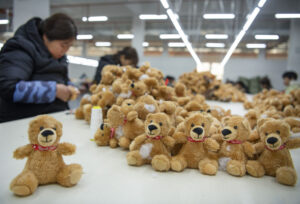
Stuffed animal toys are one of the most popular plush toy types because they are suitable for many markets, including children’s products, retail gifts, IP merchandise, and promotional campaigns. Teddy bears, animal plush, and character plushies are especially common for custom projects.

Which plush toy type is best for brand merchandise?

It depends on the brand goal. Plush keychains are good for affordable giveaways and event merchandise. Mascot plush toys are better for brand identity and fan collections. Plush pillows and plush bags can work well for lifestyle or retail products with higher perceived value.

Are plush keychains cheaper than stuffed animals?

Plush keychains are usually smaller, so they may use less fabric and stuffing. However, they are not always much cheaper. Small embroidery, detailed sewing, metal hardware, and packaging can still affect the final cost. The design complexity matters more than size alone.

Can I customize different plush toy types in one order?

Yes, many brands develop a full plush collection with different product types, such as stuffed animals, plush keychains, plush pillows, and plush bags. However, each product type may require separate sampling, pattern making, material planning, and pricing.

What information should I provide before asking for a quote?

It is helpful to provide design images, product size, target quantity, target market, preferred fabric, expected hand feel, packaging requirements, safety testing needs, and any reference samples. The more details you provide, the more accurate the quotation and sampling plan can be.

Can FunEnjoy Toys help with plush toy design and production?

Yes. FunEnjoy Toys can help review your plush toy concept, recommend suitable product types, develop samples, select materials, adjust details, arrange safety testing, and support bulk production for custom plush projects.

Ready to Develop Your Own Plush Toy Collection?

Choosing the right plush toy type can make your project easier to sample, easier to produce, and more suitable for your target market. Whether you are developing stuffed animals, plush keychains, plush pillows, plush bags, baby plush toys, electronic plush toys, or mascot plush products, the right product structure will help improve both quality and cost control.

Ready to develop your own plush toy collection? Share your design idea with FunEnjoy Toys and our team will help you choose the right product type, material, sample plan, and bulk production solution.

Start Your Custom Plush Toy Project

定制生产的毛绒玩具质量控制检验
OEM SERVICE

Let’s Make Your Plush Toy Real

  • Free custom plush project review
  • Prototype and sample support
  • Fabric, stuffing, and packaging options
  • EN71 and ASTM safety support
  • Bulk production from our plush toy factory
Get a Custom Quote

Related posts