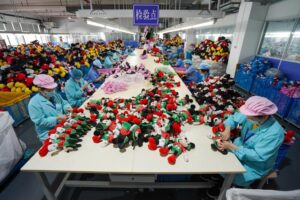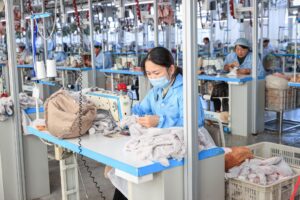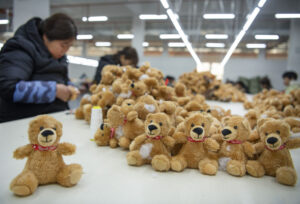
Welcome to our factory floor. As an OEM/ODM plush toy manufacturer with over three decades of experience, we’ve produced millions of hand puppets for global brands. From our perspective, the world of hand puppets for kids is not about crafting cute characters; it’s a precise discipline of material science, mechanical engineering, stringent safety compliance, and supply chain logistics. This guide is written for B2B buyers, product managers, and brand owners who need to look past the soft exterior and understand the manufacturing realities that define a successful product.
This is not generic advice. This is a manufacturer-level deep dive into the real-world process of creating safe, high-quality, and commercially viable hand puppets. We will walk you through the entire production workflow, from the technical pack (tech pack) to the final packed carton. You’ll gain practical, factory-level knowledge on how we choose materials, manage MOQs, ensure EN71/ASTM compliance, and control costs without sacrificing the integrity of your design.
Consider this your direct line to the factory. We’ll demystify the critical steps and common pitfalls, equipping you with the insider knowledge needed to ask the right questions, evaluate suppliers effectively, and turn your creative vision into a tangible, market-ready product.
1. The Hand Puppet Market: An Overview for B2B Buyers
The global market for hand puppets for kids is segmented. On one end, you have high-volume, low-cost puppets sold by mass-market retailers like IKEA. On the other, premium, high-fidelity puppets from brands like Folkmanis cater to educational and collector niches. Understanding this landscape is crucial for positioning your product. The most significant growth is in puppets that support educational themes (STEM, social-emotional learning) and licensed characters from entertainment and book properties. For a B2B buyer, the opportunity lies in identifying a gap and developing a product with a clear use case, whether for retail, promotional campaigns, or educational kits.
2. Benefits of Hand Puppets for Child Development
From a product development standpoint, the benefits of puppets directly inform design features. A manufacturer must understand why these toys are valuable to design them effectively.
- Social-Emotional Learning: Puppets that can show different expressions (e.g., via movable mouths, flexible eyebrows) are more effective. This requires specific internal structures.
- Language & Communication: Puppets with clear, friendly faces and movable mouths encourage verbal interaction. Embroidery is often preferred over printing for facial features to add texture and durability.
- Motor Skills: Designing puppets that fit both small child hands and larger adult hands broadens their use case from solo play to interactive parent-child storytelling. This sizing consideration is a key part of the pattern-making process.
3. Types of Hand Puppets: A Manufacturing Perspective
As a factory, we classify puppets by their construction complexity, as this directly impacts labor time, material cost, and production skill level required.
- Glove/Mitten Puppets: The simplest form. These are typically made from 2-4 pieces of fabric sewn together. Features are often printed or made with simple felt appliqués. Ideal for high-volume, low-cost production. Think Melissa & Doug sets.
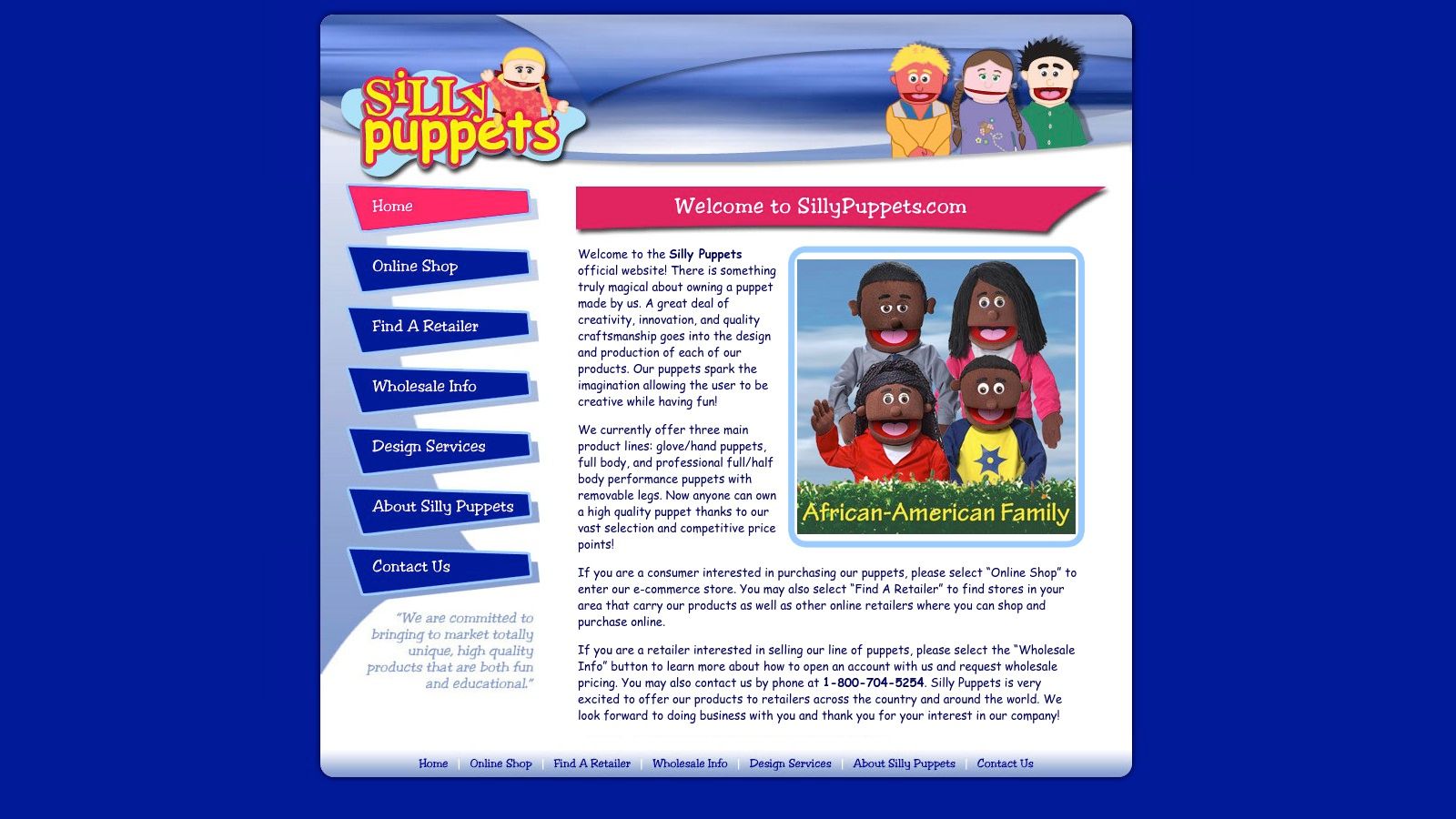
- Movable Mouth Puppets: These require an internal mechanism, usually a pre-formed plastic or stiffened fabric plate inside the head, to allow for articulation. This adds assembly steps and material costs. Brands like Silly Puppets specialize in these.
- Full-Body / Performance Puppets: The most complex. These may include legs, detailed clothing, and internal rods to control arms. They involve dozens of pattern pieces and require highly skilled sewing technicians. Folkmanis puppets are a prime example.
- Finger Puppets: Often produced in sets. Due to their small size, precision in sewing is critical. Automated cutting machines are essential for accuracy. IKEA often bundles these for a low retail price point.
4. The Manufacturing Process: From Tech Pack to Shipment
Creating custom hand puppets for kids is a multi-stage process. Here is the exact workflow we follow in our factory. Understanding this helps you plan your timeline and budget.
Stage 1: Design & Prototyping (Sampling)
It starts with your design, typically provided as a “tech pack” with illustrations, dimensions, material callouts, and Pantone color codes.
- Pattern Making (1-2 days): Our master pattern maker translates your 2D drawings into 3D fabric patterns. This is a highly skilled job; the pattern determines the puppet’s final shape and movement.
- Material Sourcing (Parallel): We source fabric swatches matching your specs (e.g., “crystal super soft plush, 3mm pile, Pantone 18-1663TCX”).
- Cutting & Sewing (1-2 days): The pattern is cut, and a single prototype is sewn by our most experienced technicians.
- Stuffing & Finishing (1 day): The sample is filled with PP cotton, features are embroidered, and any accessories are added.
- Internal Review & Shipment (1 day): We review the sample against the tech pack. Once approved internally, we ship it to you.
Total Sampling Timeline: Typically 7-10 working days, plus shipping time. Revisions add 5-7 days per cycle.
Stage 2: Mass Production
Once you approve the final “golden sample,” mass production begins.
- Material Procurement (10-15 days): We order all bulk materials—fabric, thread, stuffing, labels, and packaging.
- Cutting (2-3 days): Fabric is layered and cut in bulk using electric cutters or laser machines for precision.
- Embroidery/Printing (3-5 days): Cut pieces are sent for embroidery or screen printing before assembly.
- Sewing Assembly Line (10-15 days): Workers are organized in lines, each responsible for a specific task (e.g., sewing limbs, attaching heads). This specialization increases efficiency and consistency.
- Stuffing & Closing (3-5 days): Puppets are filled with PP cotton using a blowing machine, then hand-stitched closed.
- Quality Control & Finishing (3-5 days): This includes metal detection (to find broken needles), cleaning loose threads, and final inspection.
- Packaging (1-2 days): Puppets are tagged, bagged, and packed into export cartons.
Total Mass Production Lead Time: Typically 30-45 days after sample approval for an order of 3,000-5,000 pieces. For a deeper look, learn more about the hand puppet manufacturing process.
5. Pricing Factors: What Drives the Cost of a Hand Puppet?
Buyers often ask why two similar-looking puppets have different prices. The cost is broken down into four main areas:
- Materials (40-50% of cost): The type of plush fabric is the biggest factor. Standard short plush is cheapest. Crystal super soft plush (velboa) is mid-range. Long-pile faux fur is the most expensive. The grade of PP cotton filling also affects cost. Recycled materials can sometimes be more expensive due to processing costs.
- Labor (30-40% of cost): This is determined by the puppet’s complexity. A simple 4-piece glove puppet takes far less sewing time than a 25-piece realistic animal puppet with a movable mouth.
- Complexity & Accessories (10% of cost): Movable mouths, intricate embroidery, custom-molded plastic eyes, and clothing all add steps to the assembly process, increasing labor costs.
- Compliance & Testing (5-10% of cost): The cost of EN71/ASTM testing is usually spread across the production run. A factory with integrated compliance may have a slightly higher unit cost but saves you time and risk.
Cost Reduction Tip: Simplify the design. Reducing the number of fabric pieces, opting for embroidery over complex appliqués, or using a slightly less premium (but still safe) plush can lower the unit cost significantly. Discuss these trade-offs with your manufacturer.
6. Understanding MOQ (Minimum Order Quantity)
MOQ is a critical factor for buyers. For most medium-to-large Chinese factories, the standard MOQ for custom plush toys is 1,000 to 3,000 pieces per design.
Why this number?
MOQ is not arbitrary. It’s driven by the factory’s own procurement needs. Fabric mills have MOQs for custom-dyed fabric (usually 500-1,000 meters). To set up an efficient sewing line, a factory needs a minimum number of units to run.
Can you get a lower MOQ?
Yes, but with trade-offs. Some factories, like FunEnjoy, can offer MOQs as low as 500 pieces. This is possible if:
- We use existing stock materials.
- The design is relatively simple.
- The buyer agrees to a higher per-unit price to cover the setup costs.
Risk of “Any MOQ” Factories: Be wary of factories claiming they can do any quantity (e.g., 100 pieces) at a low price. They are likely trading posts or small workshops with inconsistent quality control and no formal compliance procedures. While you can create simple puppets yourself with guides on how to make puppets out of paper, professional manufacturing requires scale.
7. Quality Control & Safety Standards
For hand puppets for kids, quality control is synonymous with safety. A reputable manufacturer doesn’t just “check” quality at the end; it’s integrated into every stage.
Key Inspection Steps:
- Incoming Material Inspection (IQC): We inspect all bulk fabric and accessories for defects and color consistency before they enter the production line.
- In-Process Quality Control (IPQC): Supervisors on the sewing floor check for seam strength, correct assembly, and embroidery quality at various points.
- Final Quality Control (FQC): A dedicated QC team inspects 100% of finished units. They check for:
- Symmetry and Shape: Does it match the golden sample?
- Seam Strength: Pull tests are conducted on all seams.
- Foreign Objects: Every single puppet passes through a metal detector to ensure no broken needles are inside. This is a critical step.
- Cleanliness: Removing loose threads and dust.
Mandatory Safety Standards:
Your product cannot legally be sold in the US or EU without passing safety tests.
- ASTM F963 (USA): Covers physical and mechanical properties (e.g., choke hazards, sharp points), flammability, and heavy metal content (lead, phthalates).
- EN71 (Europe): The equivalent standard, with specific parts for mechanical properties (Part 1), flammability (Part 2), and chemical migration (Part 3).
A good factory will ask which market you are selling to and manage the testing process for you. Do not partner with a factory that is unfamiliar with these standards. To understand our comprehensive approach, explore our guide on stuffed animal production.
8. Logistics & Shipping
Once production is complete and passes the final inspection, the final step is getting the product to your warehouse.
- Incoterms: You must agree on shipping terms. The most common are FOB (Free On Board), where the factory is responsible for getting the goods to the port of departure (e.g., FOB Shanghai), and you handle shipping from there. Another is EXW (Ex Works), where you are responsible for picking up the goods from the factory gate.
- Packaging: Puppets are compressed into polybags and packed into standard 5-ply export cartons to protect them during transit and minimize shipping volume.
- Shipping Options:
- Sea Freight: Most common and cost-effective for large volumes. Takes 30-40 days to the US/Europe.
- Air Freight: Much faster (5-10 days) but significantly more expensive. Used for urgent orders or high-value goods.
Your factory should provide you with the final carton dimensions and weight to allow you to get accurate shipping quotes from your freight forwarder.
9. How to Choose a Hand Puppet Supplier
Choosing between an OEM (Original Equipment Manufacturer) and ODM (Original Design Manufacturer) is a key decision.
- OEM: You provide the complete design (tech pack), and the factory produces it for you. This gives you full creative control.
- ODM: You choose from the factory’s existing puppet designs and add your own branding. This is faster and cheaper but offers no design exclusivity.
Red Flags to Watch For:
- Unrealistically Low Prices: This often means they are cutting corners on material safety, labor practices, or QC.
- No Factory Audits: Reputable factories have audits like BSCI or SEDEX, which verify ethical labor practices. Ask for them.
- Poor Communication: Slow responses or an inability to answer technical questions about materials and compliance is a major warning sign.
Green Flags of a Good Partner:
- They Ask Questions: A good manufacturer will analyze your design and suggest improvements for manufacturability or cost reduction.
- Transparency: They are open about their production timeline, MOQ reasoning, and QC process.
- Experience with Your Market: They understand the safety standards (EN71/ASTM) for your target region and have a track record of exporting there. You can learn more about our capabilities as a plush manufacturer.
10. Why FunEnjoy is a Trusted Hand Puppet Manufacturer
For over 30 years, FunEnjoy has operated as a leading OEM/ODM partner for brands worldwide, including Sanrio, Starbucks, and The North Face. Our 2,000 m² factory and 200+ skilled craftsmen are not just a production line; we are a center of excellence for plush toy manufacturing.
We offer:
- End-to-End Service: From design refinement and rapid prototyping (7-10 days) to mass production, compliance testing, and global logistics.
- Deep Expertise: We provide practical advice on material selection, cost optimization, and design-for-manufacturing to ensure your project is a commercial success.
- Flexible MOQs: We work with partners of all sizes, offering MOQs starting at 500 pieces for certain designs.
- Guaranteed Compliance: Our processes are built around EN71 and ASTM standards, mitigating your risk and ensuring market access.
Choosing a manufacturing partner is a critical business decision. It’s about building a relationship based on trust, expertise, and shared goals. Understanding how to manage these partnerships is key; for more on this, see these Essential Vendor Relationship Management Best Practices. We don’t just make puppets; we build brands.
Kids Hand Puppets – 7-Brand Comparison
| Item | Implementation Complexity 🔄 | Resource Requirements ⚡ | Expected Outcomes 📊 | Ideal Use Cases | Key Advantages ⭐💡 |
|---|---|---|---|---|---|
| Hand Puppets: 7 Key Steps (FunEnjoy) | Moderate–High — design, prototyping, safety testing | Moderate to high — MOQs, testing, lead time | Retail-ready, compliance-assured products with reliable QC | Licensed lines, retail launches, educational programs | End-to-end OEM/ODM, child-safety expertise, fast sampling |
| Melissa & Doug | Low — ready-to-buy consumer products | Low — retail pricing, widely stocked | Consistent play-value and classroom-ready sets | Home play, classrooms, early learning activities | Value multi-packs, easy sourcing, clear age guidance |
| Folkmanis | Low (buy-to-use) but specialist handling for shows | Medium — higher price, durable materials | High realism and expressive movement for performance | Libraries, museums, professional storytelling | Top-tier realism, durable construction, award-winning |
| The Puppet Company (UK) | Low — consumer purchase; some shipping complexity internationally | Low–Medium — UK/EU pricing, shipping considerations | Good quality gifts and literacy-focused sets | Gift buyers, UK/EU customers, early years literacy | Balanced price/quality, licensed characters, “My First” line |
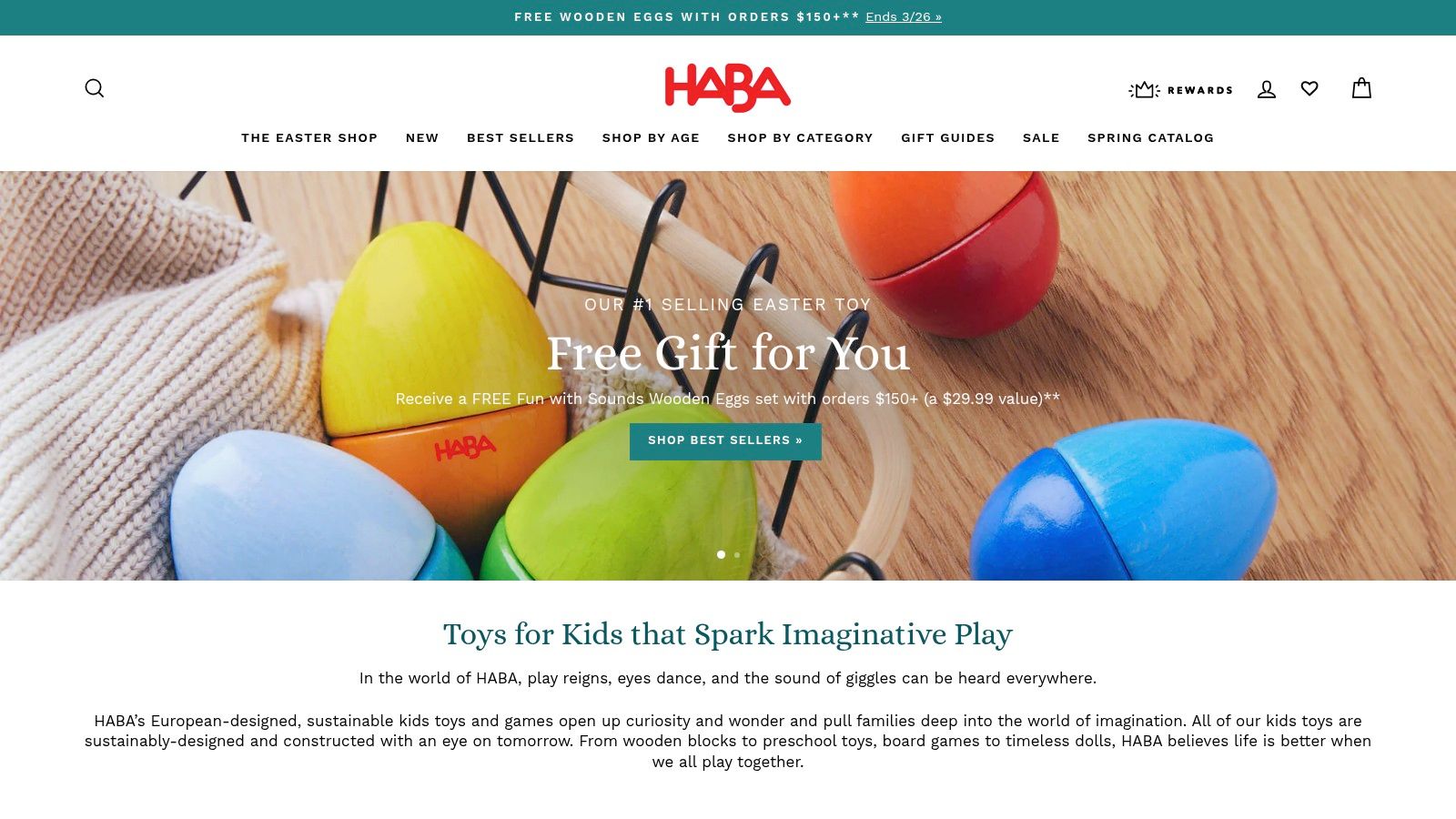
| HABA (HABA USA) | Low — consumer-focused, education-first design | Low–Medium — durable, washable materials | Durable, washable puppets optimized for toddlers | Toddlers, preschools, speech therapy, classrooms | Machine-washable, educator-oriented, toddler-safe designs |
| IKEA (China) | Low — simple off-the-shelf multipacks | Very low — budget pricing, local availability (CN) | Affordable, durable basic puppets for open play | Cost-sensitive preschools, families in China | Very affordable, recycled-content, broad local stock |
| Silly Puppets | Low — direct-shop & wholesale options | Low–Medium — clear pricing, wholesale available | Wide character range suited to classrooms & shows | Classrooms, small theaters, wholesale buyers | Transparent pricing, deep catalog, kid-focused sizing |
Ready to transform your unique character or design concept into a high-quality, custom hand puppet? At FunEnjoy PlushToys, we specialise in OEM/ODM manufacturing, guiding you through every step from initial sampling to final production with expertise and transparency. Contact FunEnjoy PlushToys today to discuss your project and discover how our factory can bring your vision to life.