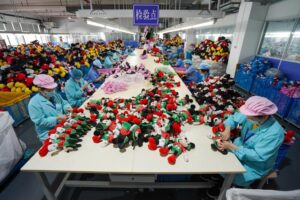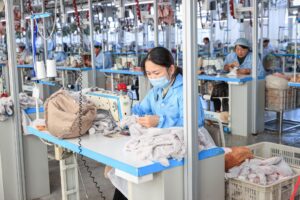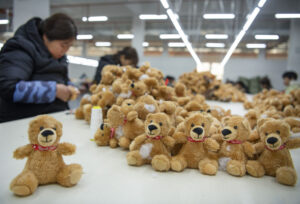
As manufacturers in China’s plush toy heartland, we transform photos of beloved pets into high-quality custom stuffed animals for brands worldwide. This is a technical process, blending artistry with precision engineering. It’s more than creating a toy; it’s about replicating a companion, and the manufacturing details are what separate a generic plush from a treasured keepsake. This guide offers B2B buyers an inside look at the production workflow, cost structures, and quality control systems essential for success.
Market Overview: The Business Case for Pet Plushies
The demand for custom stuffed animals of your pet is driven by a powerful emotional connection. Pets are considered family members, and this sentiment fuels a significant market opportunity. These products are not just toys; they are tangible memories, memorial items, and deeply personal gifts. For B2B buyers—retailers, promotional companies, and brands—understanding this emotional value is key to successful market entry.
A Market Fuelled by Heartfelt Connections
The global pet economy is expanding, and custom merchandise is a major growth sector. A custom plush serves multiple purposes: a memorial for a pet that has passed, a comfort object for a child away at college, or a unique corporate gift for pet-centric brands.
This is a data-driven business decision. In China alone, the pet products market is projected to reach $5.92 billion by 2025. The “Other Pet Products” category, which includes items like plush replicas, constitutes 70% of this market. This growth is propelled by urban pet owners seeking premium, personalized products. Deeper data is available in this China pet products market report.
From a manufacturer’s standpoint, successful pet plush projects are those that accurately capture unique details—the specific angle of an ear, a distinctive fur marking, or a particular expression. These nuances are what command premium pricing and create customer loyalty.
Benefits for B2B Buyers
For any business, entering this market provides a direct channel to a passionate consumer base. The commercial advantages are clear:
- High Perceived Value: The emotional weight of these products supports premium pricing and healthy profit margins.
- Year-Round Demand: These are ideal gifts for holidays, birthdays, and as sympathy items, ensuring consistent sales potential.
- Brand Loyalty: Offering a product that resonates on a personal level fosters strong customer relationships and organic word-of-mouth marketing.
Ultimately, custom pet plushies succeed because they meet a fundamental human need to preserve memories and celebrate companionship.
The Manufacturing Process: From Photograph to Prototype
The transformation of a 2D photograph into a 3D plush toy is a systematic, multi-stage process. It begins not with fabric, but with a technical analysis of the design files provided by the client. High-resolution images from all angles (front, back, both sides, top, and bottom) are the blueprints for our pattern makers.
Step 1: Pattern Making & Material Selection
The first physical step is drafting the master pattern. Our pattern master deconstructs the pet’s form, posture, and proportions into a series of flat shapes that will be sewn together. This is a highly skilled task where experience is critical. An imprecise pattern results in a distorted or unbalanced final product.
- Component Breakdown: The body, limbs, head, and tail are drafted as separate components.
- Complexity: The head is the most complex part, often requiring over a dozen small pieces to capture the muzzle, ears, and cranium shape accurately.
- Material Mapping: We simultaneously select materials. The objective is to match the pet’s fur texture, color, and pile length. We source from a vast library of faux furs and other textiles. The pattern must account for the specific stretch and fur direction of the chosen material.
Step 2: Cutting, Sewing, and Assembly
Once the pattern is approved, it is used to create cutting dies or laser-cut templates for precision. Each fabric piece is cut, with tolerances measured in millimeters.
The cut pieces are then delivered to our sewing teams. The initial assembly is done by highly skilled stitchers who specialize in complex 3D forms. The plush is sewn inside-out to conceal the seams.
A common misconception is that this process is automated. High-quality custom prototypes are almost entirely handcrafted. Mass production utilizes specialized machinery, but the skill remains artisanal.
This diagram illustrates the high-level project flow.
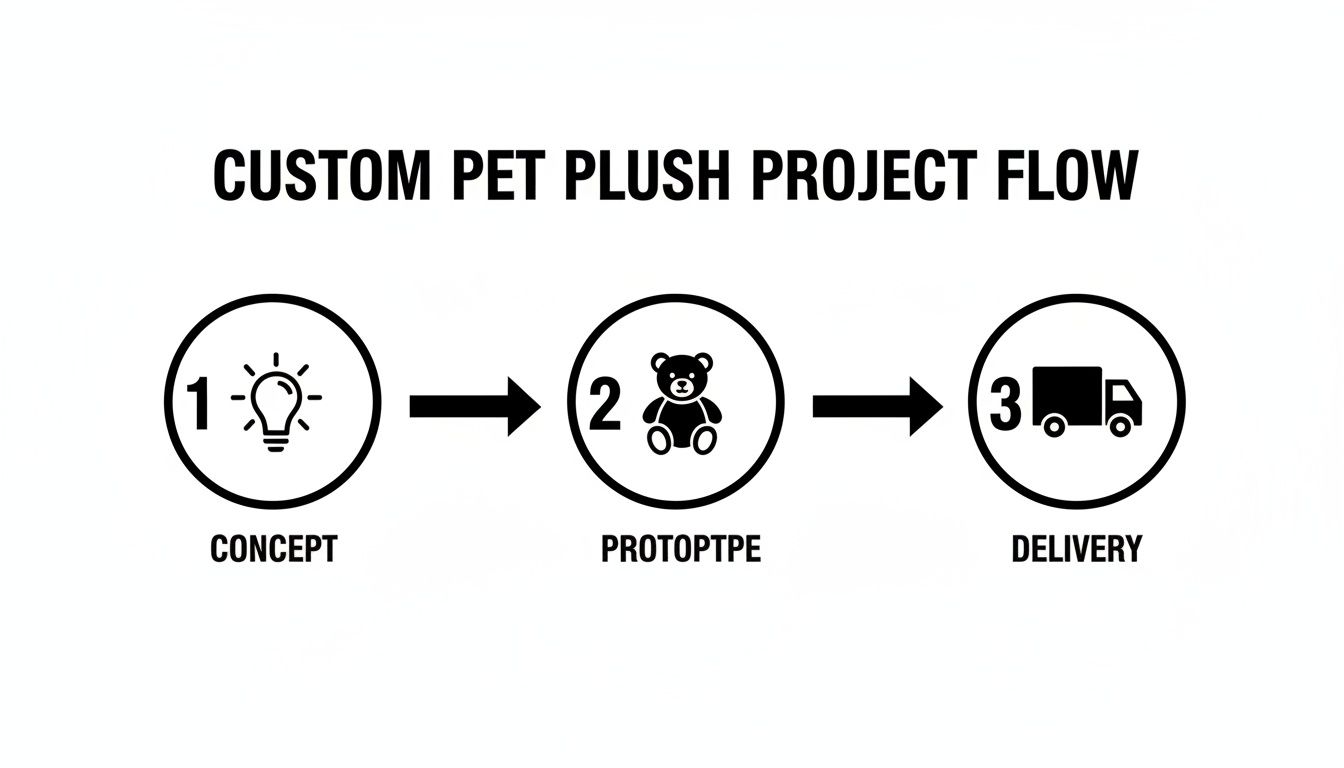
The prototype stage is the critical link between design validation and scalable production.
Step 3: Detailing, Stuffing, and Finishing
After the main body is assembled and turned right-side out, detailing begins. This is where the personality is defined.
- Facial Features: We use several techniques, including computer-guided embroidery for mouths and markings, safety-tested plastic eyes and noses with locking washers, and non-toxic airbrushing for subtle color gradients.
- Stuffing: The choice of filling (typically virgin Grade-A PP cotton) and stuffing density impacts the final posture and tactile feel. Our teams fill each component strategically to achieve the desired balance of softness and structure.
- Final Touches: The plush is cleaned, brushed, and undergoes a final quality check. The entire sampling process, from design receipt to a prototype ready for shipment, typically takes 5-10 working days. This sample is the client’s opportunity for physical review and feedback before mass production commitment. To see this in action, you can design your own plush toy with our tool.
Pricing Factors: Decoding the Unit Cost
The unit price for a custom stuffed animal of your pet is a direct calculation of materials, labor, and production scale. Understanding these variables empowers B2B buyers to make informed decisions that align with their budget and quality targets.
MOQ (Minimum Order Quantity) and Economies of Scale
The most significant factor influencing unit cost is the Minimum Order Quantity (MOQ). For most established factories, the MOQ for a fully custom design is 500 to 1,000 units. This is not an arbitrary number; it is based on production efficiency.
Fixed setup costs—pattern creation, cutting die fabrication, embroidery machine programming—are incurred for every new design. Spreading these costs over a larger production run of 1,000 units significantly reduces the per-unit cost compared to a smaller run of 200. This is the fundamental principle of economies of scale in manufacturing.
The market supports this scale. China’s pet toy market is forecast to grow from $305.17 million in 2024 to $534.48 million by 2033. With e-commerce driving over 50% of sales, efficient, scalable production is paramount. For more on this, see these pet toy market trends.
Design Complexity and Labor Costs
The intricacy of the design is the next major cost driver.
- Component Count: A plush calico cat with 20-30 individual fabric pieces requires more cutting and sewing time than a solid-colored Labrador with 10-12 pieces. More components equal higher labor costs.
- Embroidery vs. Printing: Embroidery cost is determined by stitch count and the number of thread colors. Sublimation printing can be a cost-effective alternative for complex surface patterns but yields a different texture.
- Special Features: Adding internal components like squeakers, voice boxes, or articulated joints (plastic skeletons) increases material costs and adds steps to the assembly line, raising labor costs.
Manufacturer’s Tip: To reduce cost without sacrificing quality, focus on the 1-2 defining features of the pet. A signature head tilt or unique tail shape often contributes more to the likeness than replicating every subtle fur pattern, which can increase complexity and cost exponentially.
Material Selection
The choice of fabric and filling has a direct impact on price.
- Standard Materials: Standard polyester plush is the industry norm—cost-effective, durable, and available in countless colors and pile lengths.
- Premium Faux Furs: Materials that mimic rabbit or mink fur (“minky”) or long-pile furs are significantly more expensive and require more skilled labor to cut and sew, increasing costs.
- Filling: While PP cotton is standard, the density of the fill affects material consumption and cost. A firmly packed plush uses more filling than a softer, looser one.
A deeper dive into materials can be found in our overview of plush and stuffed animal toys. Understanding these cost drivers allows for a collaborative partnership where we can engineer the product to meet your creative vision and budget.
Quality Control and Safety Standards
Manufacturing a visually appealing custom stuffed animal of your pet is only part of the equation. Ensuring it is safe, durable, and compliant with international standards is non-negotiable for any reputable brand. Our quality control (QC) is not a final inspection; it is a multi-stage process integrated throughout production.
Raw Material Inspection
It begins before production. We inspect all incoming raw materials—fabric bolts for color consistency and defects, PP cotton for purity, and thread for tensile strength. This prevents downstream issues and ensures uniformity across the entire production run.
In-Process QC Checkpoints
Our QC team conducts inspections at critical production stages:
- Post-Cutting: Verifying dimensional accuracy of all fabric pieces.
- During Sewing: Checking seam strength and alignment to prevent weak points.
- Post-Embroidery: Ensuring all embroidered details are clean, tight, and match the design specifications.
- Post-Stuffing: Manually checking for consistent fill density, ensuring no lumps or empty sections.
Adherence to EN71 & ASTM F963
For products sold in the EU and US, compliance with EN71 (EU) and ASTM F963 (US) is mandatory. A compliant factory is essential.
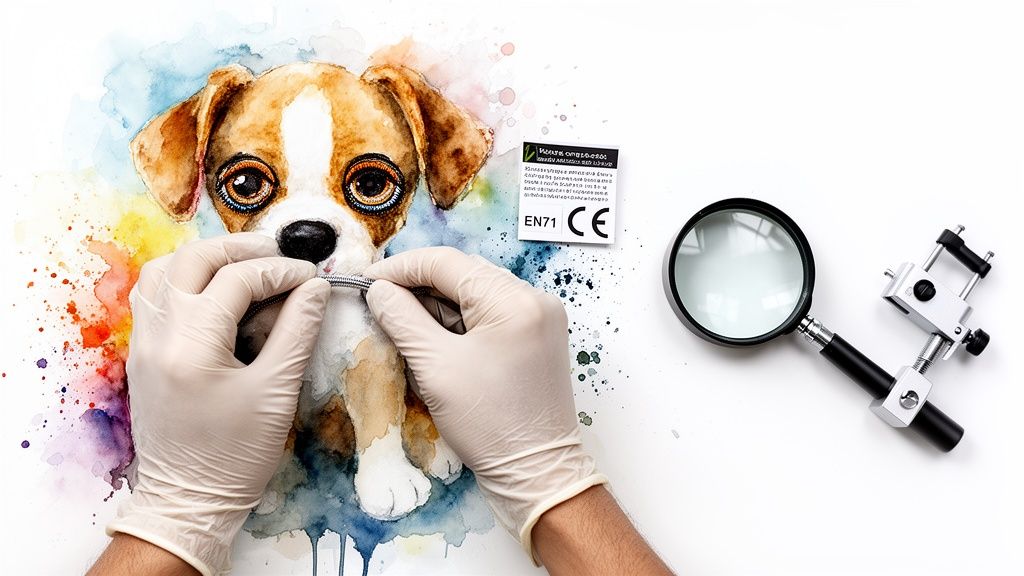
These standards involve rigorous third-party lab testing for:
- Chemical Safety (EN71-3 / ASTM F963-17 Section 4.3.5): Testing for heavy metals like lead and harmful substances like phthalates.
- Flammability (EN71-2 / ASTM F963-17 Section 4.2): Ensuring the material has a slow rate of flame spread.
- Physical & Mechanical Safety (EN71-1 / ASTM F963-17 Sections 4.7-4.9): Conducting pull tests on seams, eyes, and other small components to prevent choking hazards.
Risk Alert: Selecting a non-certified factory to save on costs is a critical business risk. A single product recall due to safety violations can result in catastrophic financial and reputational damage. Compliance is a baseline requirement.
Final Inspection Protocol
Before packaging, every unit undergoes a final inspection. We check for aesthetic consistency, trim any loose threads, and pass every toy through a metal detector to ensure no broken needle fragments are present. This comprehensive QC process protects the end-user, your brand, and your investment. For more details, explore our resources on sourcing wholesale plush toys.
Logistics: From Factory Floor to Your Warehouse
Manufacturing is complete only when the product is delivered. An experienced manufacturer provides clear guidance on packaging, shipping, and customs.

Packaging Options
- Standard Polybags: The most cost-effective option, protecting each unit from dust and moisture.
- Custom Gift Boxes: Enhances the unboxing experience for a premium product but increases unit cost and shipping volume (dimensional weight).
- Branded Hang Tags & Labels: A low-cost method to add branding and product information.
Shipping Methods
- Sea Freight: Most economical for large orders. Transit time is typically 30-40 days to major ports in North America and Europe.
- Air Freight: Faster (7-10 days) but significantly more expensive. Best for urgent shipments or high-value, low-volume goods.
A reliable manufacturer will provide transparent quotes for different shipping incoterms (e.g., FOB, DDP) and manage the export documentation process. With China’s stuffed and plush toys market expected to hit $2.85 billion in 2025, a streamlined logistics chain is a competitive advantage. More plush toy market insights on MarketGrowthReports.com underscore this point.
How to Choose a Supplier
Selecting the right manufacturing partner for your custom stuffed animals of your pet is the most critical decision in this process. A strong partner acts as a consultant, not just a vendor.
Key Vetting Criteria
- Communication: Your contact should be fluent in your language and technically proficient. Slow or vague responses during the quoting phase are a major red flag.
- Specialization: Ask for a portfolio of similar custom plush projects. A factory with deep experience in this niche will better understand how to translate a 2D photo into a successful 3D product.
- Verified Certifications: Request current copies of their BSCI, ISO9001, EN71, and ASTM compliance certificates. Do not take their word for it.
- Transparency: A trustworthy partner will be open about their production capacity and will never subcontract your order to an unvetted facility without your consent—a common cause of quality fade in mass production.
OEM vs. ODM
- OEM (Original Equipment Manufacturer): You provide the complete design, and the factory manufactures it to your exact specifications. This is the model for custom pet plushies.
- ODM (Original Design Manufacturer): The factory offers pre-designed products that you can brand as your own. This is faster but offers no customization.
Choosing an OEM partner with proven expertise is essential for bringing a unique vision to life.
Why FunEnjoy is a Trusted Manufacturer
At FunEnjoy PlushToys, we are not a trading company or a sourcing agent; we are a factory. For decades, we have specialized in the OEM manufacturing of high-quality, safe, and compliant plush toys for global brands. Our process is transparent, our communication is direct, and our expertise is rooted in countless successful projects. We understand the technical nuances required to create a custom stuffed animal of your pet that is not only commercially viable but also a cherished keepsake.
If you are ready to move from concept to production with a reliable partner, we are here to guide you. Start your project with us today.